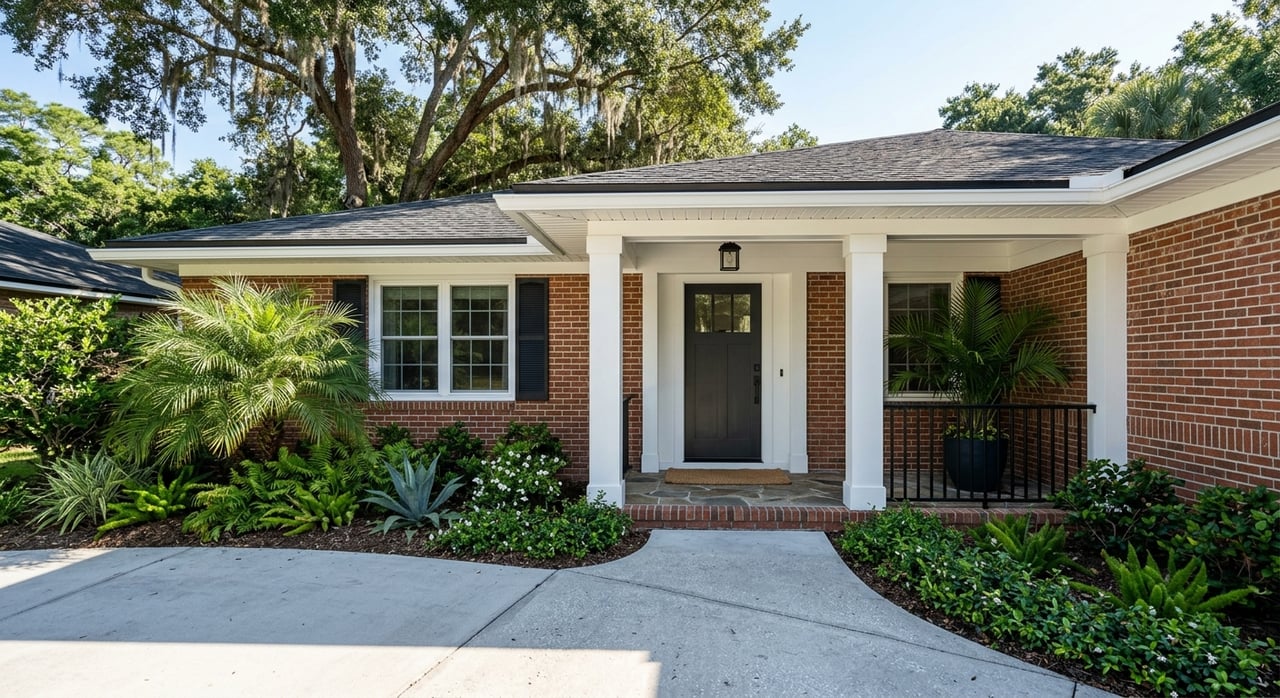
Moving for NAS Pensacola can feel like a race against the calendar, especially when you are trying to buy a home from another state. You may be balancing orders, budget questions, commute concerns, and the pressure to make a smart choice without seeing every property in person. The good news is that a remote home purchase can work well when you follow a clear plan. Here is how to approach a Pensacola-area move with confidence and fewer surprises.
Start With Orders and a Real Timeline
If you are relocating for NAS Pensacola, timing matters from day one. Military OneSource recommends preparing as soon as you know a move may be coming, but waiting to make a permanent decision like buying a home until you have official orders in hand. Those orders are also what allow you to schedule your move.
That simple step can protect you from getting too far ahead of the process. It also gives you a firmer timeline for touring homes, lining up financing, and planning your closing. If you are buying remotely, a realistic calendar is one of your best tools.
NAS Pensacola is a major installation in Escambia County, with more than 16,000 military personnel and 7,400 civilian personnel. Because base access is controlled, it helps to treat gate access and commute planning as part of your housing search from the beginning. That is especially important if you are comparing homes in several communities around the Pensacola area.
Build Your Remote Buying Plan Early
A remote purchase works best when you break it into steps. Instead of trying to solve everything at once, focus on timing, budget, location, and tour strategy.
A practical remote buying plan usually includes:
- Confirming your orders and move window
- Reviewing your monthly budget, income, and expected housing costs
- Deciding which areas make sense for your commute to NAS Pensacola
- Choosing a local agent before serious touring begins
- Narrowing homes through virtual tours and detailed property review
- Writing offers with the right contingencies
- Preparing for appraisal, inspection, and closing logistics
Military OneSource also offers Plan My Move, a tool that helps organize PCS tasks into checklists. That kind of structure can make a stressful move feel much more manageable.
Know the Full Cost Before You Shop
When you are relocating, it is easy to focus only on the purchase price. In reality, your monthly and upfront costs matter just as much.
The Consumer Financial Protection Bureau says homeownership comes with taxes, insurance, repairs, closing costs, moving costs, and other ongoing expenses. VA guidance also tells buyers to review credit, income, expenses, and their monthly budget before they start shopping. That is a smart move in any market, but it is even more important when you are buying from a distance.
Because Pensacola is on the coast, insurance and flood risk deserve early attention. Standard homeowners insurance typically does not cover flood damage, and flood insurance is generally required in a designated Special Flood Hazard Area. Flooding can also happen outside high-risk zones, so you do not want to leave this question until the last minute.
Use a Local Agent Before Touring
For remote buyers, local guidance is not just helpful. It shapes the whole process.
The National Association of Realtors consumer guide explains that once an agent starts identifying properties and arranging tours, you are already working with that agent. It also treats a live virtual tour as a tour. In many cases, buyers may be asked to sign a written buyer agreement before touring, and that agreement describes services and compensation and is negotiable.
For a military relocation, that timing matters. A local Pensacola-area agent can help you compare neighborhoods by commute, flag flood-related questions early, coordinate live virtual tours, and help organize the steps between contract and closing. When you are not in town, responsive communication and strong local knowledge can save time and reduce risk.
Compare Pensacola-Area Commutes Carefully
Price matters, but so does your daily drive to NAS Pensacola. One of the biggest mistakes remote buyers make is choosing an area based only on photos or listing price without thinking through route time and base access.
Here are some of the approximate commute comparisons from common relocation areas:
- Pensacola proper to NAS Pensacola: about 9 miles
- Perdido Key to NAS Pensacola: about 10 miles
- Gulf Breeze to NAS Pensacola: about 15 miles
- Pace to NAS Pensacola: about 23 miles
- Milton to NAS Pensacola: about 52 minutes by road
- Pensacola Beach to NAS Pensacola: about 35 minutes by road
These are planning numbers, not guarantees. Travel times can shift based on traffic, route choice, and gate timing.
Official access information matters too. Public visitors are routed through the West Gate on Blue Angel Parkway, and state-issued driver licenses and passports are accepted forms of ID for base access. If you expect frequent trips to and from base during your move, that detail is worth understanding early.
Choose Area Tradeoffs That Fit Your Routine
Every Pensacola-area location gives you a slightly different mix of commute, housing style, and coastal access. The right choice depends on how you want your day-to-day routine to work.
If being close to NAS Pensacola is your top priority, Pensacola proper and Perdido Key offer some of the shortest examples in this comparison. If you are looking farther out, Gulf Breeze, Pace, and Milton may offer different housing options, but they come with longer travel expectations. Pensacola Beach brings a distinct coastal lifestyle, but your drive and access patterns may look very different from an inland option.
For remote buyers, this is where neighborhood-first guidance matters. It helps to compare homes not just by price per square foot, but by commute pattern, flood questions, and how easily the location fits your PCS schedule.
Make Virtual Tours Work for You
A live virtual tour can do a lot more than a photo gallery. Since NAR treats a live virtual tour as a tour, it should be approached seriously.
Before the tour, ask for a focused walkthrough that matches your priorities. You may want extra attention on the roofline, exterior grading, windows, storage, layout flow, and any signs of deferred maintenance. You can also ask for views of the street, nearby traffic conditions, and the general surroundings so you get a better sense of the property beyond the listing photos.
During a remote search, consistency matters. Seeing several homes through the same process makes it easier to compare them fairly and decide which one is worth an offer.
Write Offers With Protective Contingencies
When you find the right home, your offer should protect you as much as possible. That is particularly important if you are still out of town.
The CFPB recommends making your purchase offer contingent on obtaining financing and on a satisfactory inspection. For eligible VA buyers, the Department of Veterans Affairs says the sales contract should also include the VA escape clause. VA also notes that an appraisal is not the same thing as a home inspection.
That distinction matters. An appraisal helps determine value for the lender, while an inspection helps you understand the condition of the property. For a remote purchase, both steps are important, and neither should be treated as optional without careful thought.
Check VA Loan Fit Before You Offer
If you plan to use a VA-backed loan, it helps to confirm the home and your financing plan are a match before you get too deep into negotiations. According to VA guidance, eligible buyers need a Certificate of Eligibility, acceptable credit and income, and must occupy the home.
VA says the benefit can offer no down payment when the price does not exceed the appraised value, no PMI, and fewer closing costs. If you have full entitlement, VA currently says there is no county loan limit, though lender approval and the appraisal still determine the final loan amount.
Property types that may fit include:
- Single-family homes
- Homes with up to four units if you occupy one unit
- Condos in VA-approved projects
- Certain manufactured homes or lots
That occupancy rule is especially important if you are considering a duplex or other small multi-unit property. You must plan to live in one of the units as your primary residence.
Plan for Appraisal and Inspection Outcomes
Remote buyers sometimes assume a contract means the hard part is over. In reality, the inspection and appraisal phase is where many key decisions happen.
If the VA appraisal comes in low, VA says you may be able to request a reconsideration of value, renegotiate the price, or pay the difference at closing. Knowing those options in advance can help you stay calm and respond quickly if the numbers do not line up.
This is another reason to keep your contingencies clear and your communication fast. In a relocation move, delays can affect not only the purchase but also your move-in timing and temporary housing needs.
Review Flood Risk Early, Not Last
In the Pensacola area, flood-risk review should happen before you write an offer whenever possible. Coastal location is a major part of the area’s appeal, but it also affects how you evaluate a property.
The official online source for flood-hazard mapping products is FEMA’s Flood Map Service Center. The CFPB also notes that flood insurance is generally required in designated high-risk areas and that flooding can happen outside those zones as well. That means two homes with similar price points may carry very different long-term costs.
For remote buyers, early flood review can help you avoid wasted time on a home that does not fit your comfort level or budget. It can also shape your insurance planning well before closing.
Prepare for a Remote Closing
If your lender, title company, and notary process support it, Florida law allows online notarization. Under Chapter 117, an online notarization performed according to the statute satisfies notarization and witnessing requirements.
That creates a legal path for many remote closings in Florida. It does not mean every transaction will use the exact same process, but it gives relocating buyers more flexibility when appearing in person is difficult. For a PCS move, that can be a major advantage.
A Smart Pensacola Remote Buying Strategy
If you want the simplest version of the game plan, it is this: wait for official orders, set a realistic budget, use live virtual tours, compare areas by commute as well as price, check flood risk early, and write offers with strong contingencies. Those steps can help you make a confident decision even when you are buying from afar.
For military households moving to NAS Pensacola, the process does not need to feel overwhelming. With local guidance and a clear plan, you can narrow your options, protect your time, and move forward with more confidence.
If you are planning a move to Pensacola or the surrounding area, Jason & Charlcie Smallwood can help you compare neighborhoods, navigate remote tours, and build a homebuying plan that fits your timeline.
FAQs
What should you do first when relocating to Pensacola for NAS?
- Wait for official orders before making a permanent home purchase decision, then build your timeline, budget, and area search around that move window.
Can you buy a Pensacola home remotely with virtual tours?
- Yes. A live virtual tour is treated as a tour, and remote buyers can use that process to evaluate homes before making an offer.
What areas near NAS Pensacola should you compare for commute?
- Common areas to compare include Pensacola, Perdido Key, Gulf Breeze, Pace, Milton, and Pensacola Beach, with commute times and distances varying by route and traffic.
What contingencies should remote buyers use in a Pensacola offer?
- Financing and inspection contingencies are important, and eligible VA buyers should also make sure the contract includes the VA escape clause.
Do VA buyers have to live in the Pensacola home they buy?
- Yes. VA purchase loans require occupancy, and if you buy a property with up to four units, you must occupy one unit as your primary residence.
Why does flood risk matter when buying near NAS Pensacola?
- Because Pensacola is a coastal market, flood risk can affect insurance requirements, monthly costs, and the long-term fit of a property, even outside the highest-risk zones.