Thinking about a second home on the Alabama Gulf Coast, but not sure whether Fairhope or the beach communities make more sense for you? That decision can feel tricky because both options offer coastal living, but they serve very different goals. If you want to balance lifestyle, rental potential, and long-term fit, understanding those differences can save you time and costly surprises. Let’s dive in.
Fairhope vs. Alabama Beaches at a Glance
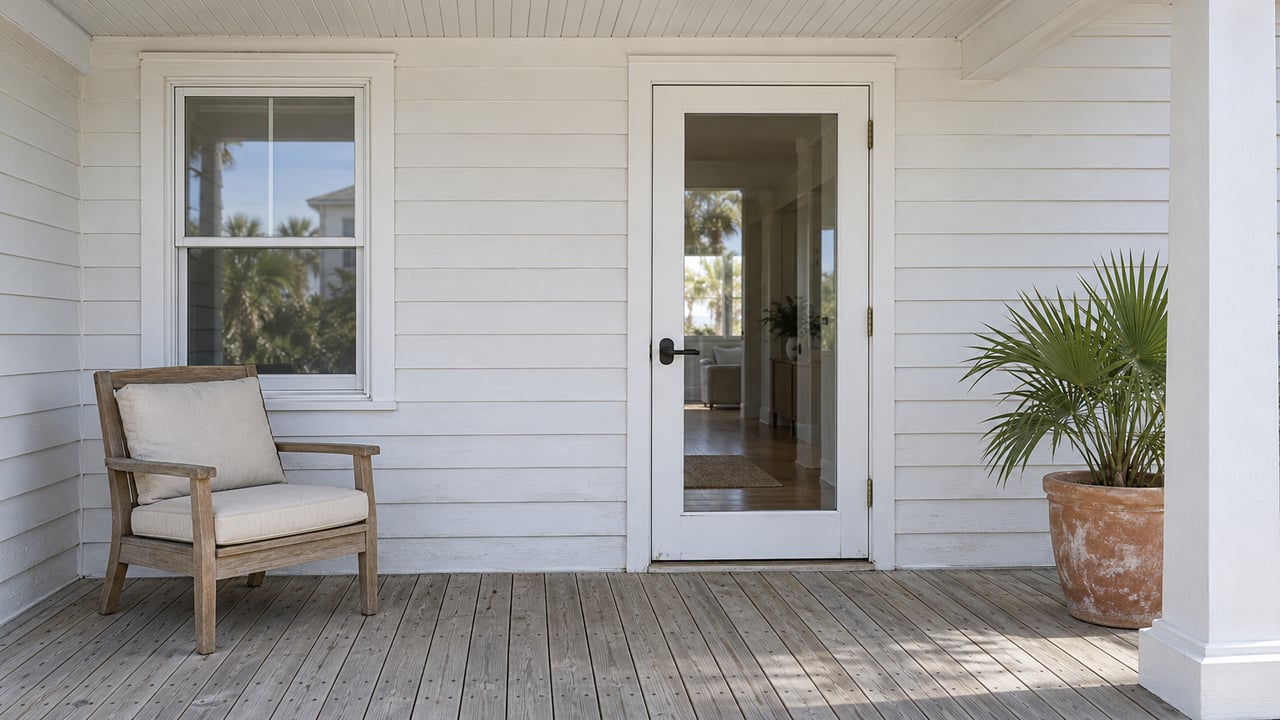
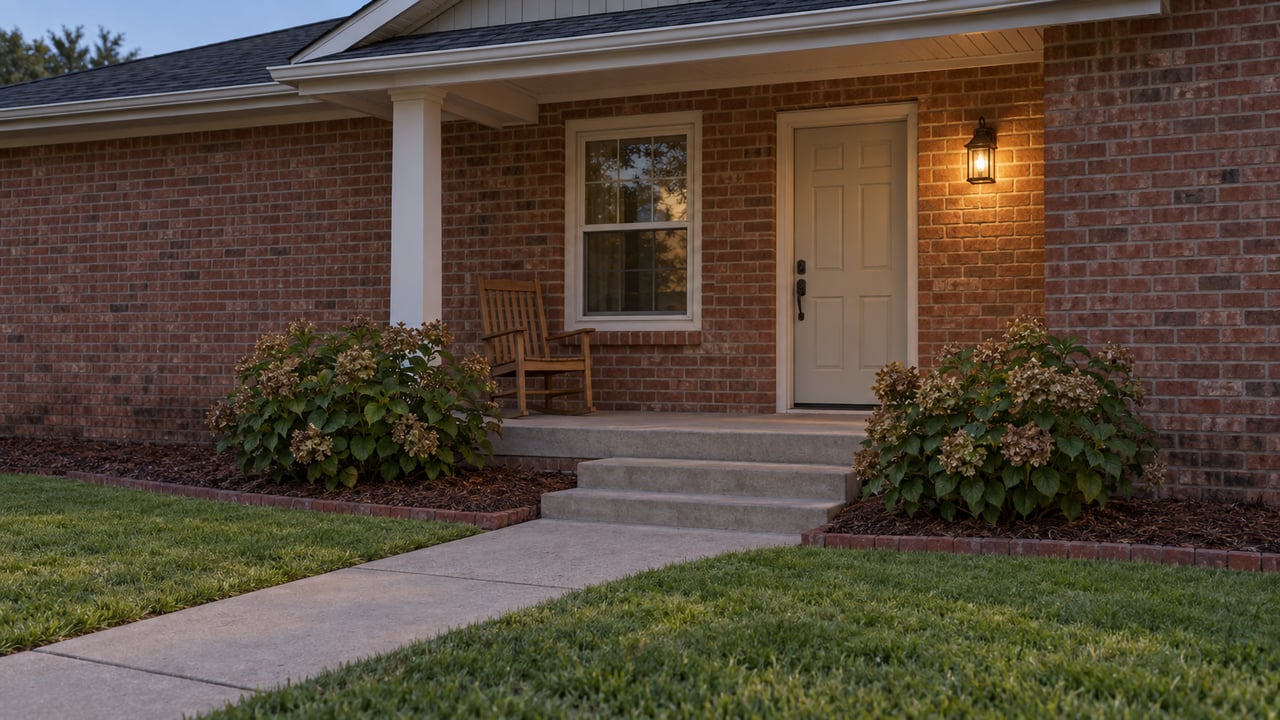
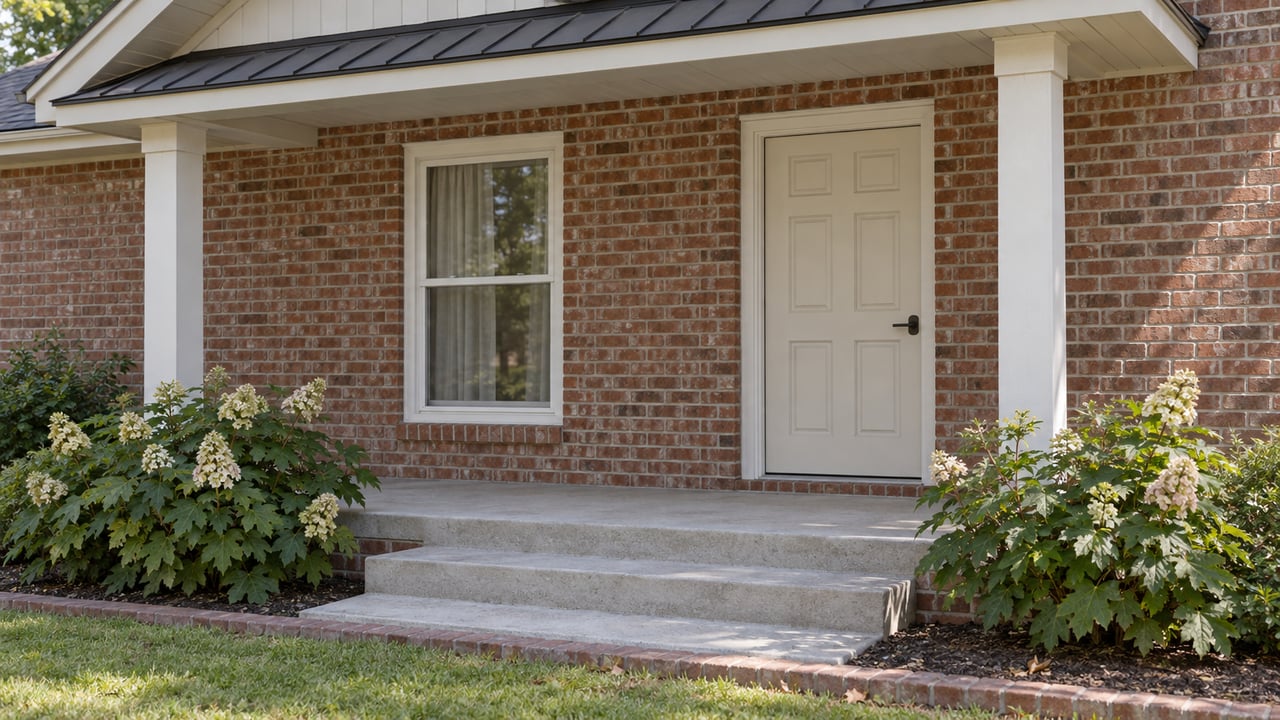
If you picture yourself enjoying a walkable bay town, spending weekends near the pier, and using your property mostly for personal getaways, Fairhope may feel like the better match. The city is centered around Mobile Bay and features a public pier area with a beach, marina, restaurant, public boat access, and bluff-top parks that act as a community gathering place.
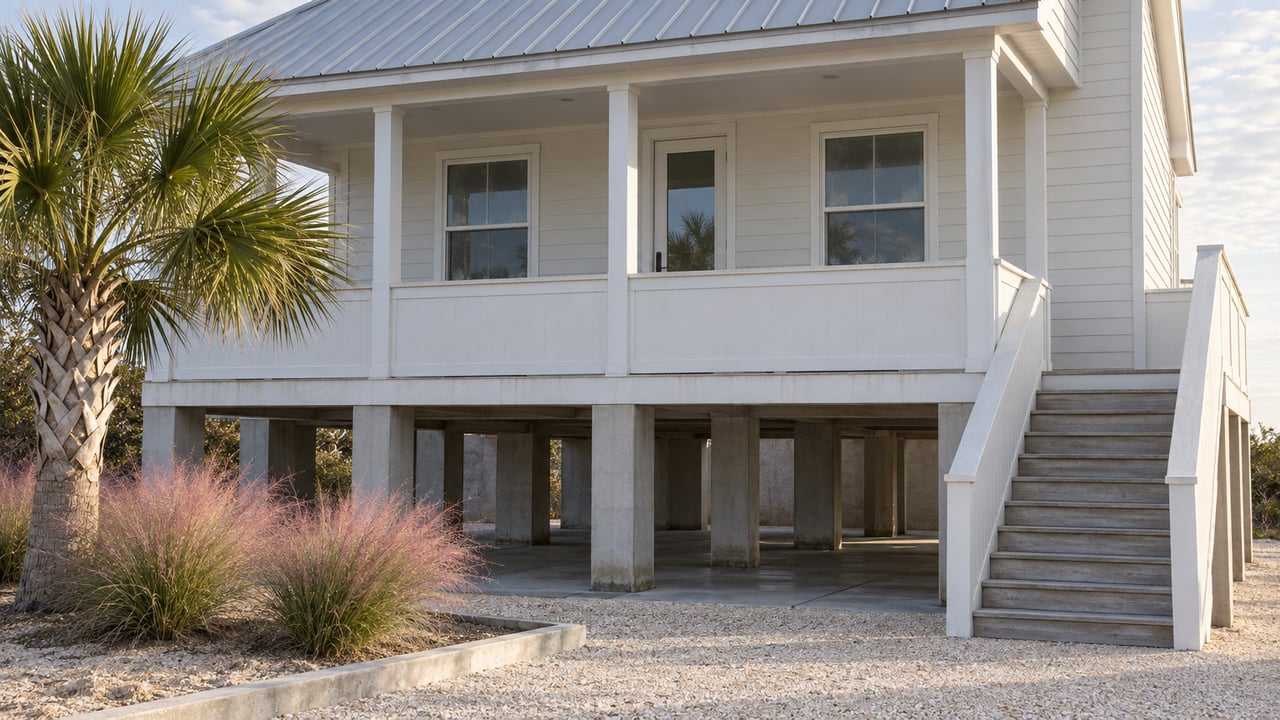
If your goal is a more traditional vacation property in a tourism-heavy setting, Gulf Shores, Orange Beach, and Fort Morgan offer a different experience. Alabama’s Beaches is built around 32 miles of white-sand beaches, and the market is shaped by strong visitor demand and a large lodging base.
In simple terms, Fairhope tends to feel more like a year-round bay town with coastal access. The Alabama beach markets tend to operate more like destination resort communities with a stronger visitor-driven rhythm.
Lifestyle in Fairhope
Fairhope offers a coastal setting, but the feel is different from a beach resort. The city describes its pier and park areas as civic gathering places, and its downtown planning supports a walkable mixed-use core with shops, restaurants, offices, residences, and small parks and trails.
That matters if you want your second home to feel connected to everyday local life. You may be looking for a place where you can spend long weekends, enjoy the bayfront, and settle into a town atmosphere rather than a vacation-heavy beach scene.
Fairhope also has a long history as a resort community, with bay cottages and hotels woven into its identity. Even so, today it reads more as a lifestyle purchase first for many second-home buyers, with rental use often playing a smaller supporting role.
Lifestyle on the Alabama Beaches
Gulf Shores, Orange Beach, and Fort Morgan are shaped much more directly by tourism. The area’s official tourism reporting showed about $476 million in lodging revenue through June 2024, along with roughly 15,000 vacation-rental and hotel units.
That kind of scale changes how the market functions. You are buying into a destination with major seasonal traffic, established visitor demand, and a lodging-oriented economy that supports rentals, hospitality, and beach-related activity.
For some buyers, that is exactly the appeal. If you want a second home that can double as a vacation-rental property in a market already built around short stays, the beach communities may line up better with your goals.
Short-Term Rental Rules Matter
One of the biggest differences between Fairhope and the Alabama beaches is rental flexibility. Before you fall in love with a property, you need to know whether the zoning actually supports the kind of use you want.
Fairhope rental rules
In Fairhope, short-term rentals are not allowed in R-1, R-2, or R-3 zoning districts. They are allowed only in R-4, R-5, B-1, B-2, B-3a, B-3b, and within the Central Business District.
That means rental use is more limited and location-specific. If you are buying in Fairhope, the property has to work for you as a second home even if rental income is only occasional or secondary.
Beach rental rules
The beach cities are more set up for vacation rentals, but they are not wide open either. In Orange Beach, vacation rentals are defined as stays of 14 consecutive days or less and are allowed in the Beach Overlay District and certain planned unit developments, while being prohibited in RS and MHS districts.
Gulf Shores also limits vacation-rental dwelling units to designated overlay or commercial areas and selected planned unit developments. So while the beach markets are more rental-forward, you still need to confirm zoning and local rules on a property-by-property basis.
Property Types and Price Differences
The product mix also changes from one market to the next. Fairhope tends to offer a more varied and lower-density lodging pattern, while the beach communities show a wider spread of condos and houses tied closely to exact location and use.
For pricing, recent market data shows clear differences:
- Fairhope median sale price: about $516,000 in April 2026
- Fairhope median listing price: about $625,000
- Gulf Shores median sale price: about $457,500 in March 2026
- Orange Beach median sale price: about $650,000 in March 2026
- Orange Beach median list price: about $733,000
- Orange Beach average home value: about $680,500
These numbers are helpful, but they do not tell the whole story. In the beach markets especially, price can shift quickly based on whether you are buying a condo, single-family home, or property in a more rental-friendly location.
Second-Home Costs to Plan For
A second home comes with different financial assumptions than a primary residence. One of the most important tax points in Alabama is that the homestead exemption applies when the owner occupies the home as a principal residence.
If you are buying a second home, you should not assume you will receive primary-residence property tax treatment. That is a key planning point whether you buy in Fairhope or on the beaches.
Fairhope rental-related costs
If you plan to rent out a Fairhope property on a short-term basis where allowed, there are operating requirements to keep in mind. The city notes that short-term and vacation-rental operators listed on its lodging page have business licenses and pay lodging tax.
A current Alabama Department of Revenue notice tied to Fairhope’s ordinance states a 6% lodging tax in the city and 3% in the police jurisdiction for stays under 180 continuous days. Fairhope also requires a business license for anyone doing business in the city limits or police jurisdiction.
Beach rental-related costs
On the rental side, the beach cities are more operationally intensive. Gulf Shores requires a rental business-license application for owners who rent in the city limits or police jurisdiction, along with lodging-tax collection and remittance, a local emergency contact, and a rental safety inspection every three years.
Gulf Shores lists lodging tax at 16% in the corporate limits and 11% in the police jurisdiction. Orange Beach says its lodging tax is currently 16% and applies to the rental rate, cleaning fee, and parking passes if applicable.
Which Buyer Fits Fairhope Best?
Fairhope often makes the most sense if your main goal is personal enjoyment. You may want a second home where you can unplug, enjoy the bayfront setting, spend time in a walkable downtown area, and treat rental income as a bonus if the property is in a permitted zone.
That does not mean Fairhope cannot work for investment-minded buyers. It simply means the investment story is usually more constrained by zoning, and the property should stand on its own as a lifestyle purchase first.
Which Buyer Fits the Beaches Best?
The Alabama beaches are usually the better fit if you want a property designed with vacation-rental demand in mind from day one. Tourism reporting for the area showed about 6.5 million beach visitors in 2023, nearly $6.7 billion in coastal visitor spending, and about 55,000 tourism-related jobs.
That level of activity supports a much more rental-oriented environment. If your second home strategy includes frequent short-term rental use, the beach markets generally offer a more natural match, assuming the specific property is in an approved area.
How to Choose Between Fairhope and the Beaches
If you are deciding between the two, start with your real priority. The right answer usually becomes clearer when you are honest about how you will use the property most of the time.
Choose Fairhope if you want:
- A bay-town setting
- Walkability and a mixed-use downtown feel
- A second home centered on personal use
- Occasional rental potential in limited zones
Choose the Alabama beaches if you want:
- Direct alignment with a tourism-driven market
- Stronger vacation-rental infrastructure
- A property that fits a rental-forward strategy
- Access to a large established visitor base
In other words, Fairhope is often the better lifestyle-first option. Gulf Shores and Orange Beach are often the stronger rental-model options.
If you are weighing both markets, the smartest next step is to compare specific properties through the lens of zoning, expected use, price point, and carrying costs. That kind of side-by-side review can help you avoid buying the right-looking property in the wrong location for your goals.
When you are ready to explore Fairhope, Gulf Shores, or Orange Beach with a local team that understands both lifestyle and investment angles, connect with Jason & Charlcie Smallwood.
FAQs
Is Fairhope a good place for a second home in Baldwin County?
- Fairhope can be a strong choice if you want a bayfront lifestyle, walkability, and a property focused more on personal use than full-time vacation-rental income.
Are short-term rentals allowed everywhere in Fairhope?
- No. Fairhope allows short-term rentals only in certain zoning districts, including R-4, R-5, several business districts, and the Central Business District.
Is Gulf Shores better than Fairhope for vacation rentals?
- Gulf Shores is generally more aligned with a vacation-rental model because the market is more tourism-driven and has established rental licensing, tax, and operational systems.
Does Orange Beach allow vacation rentals for second-home owners?
- Orange Beach allows vacation rentals in the Beach Overlay District and certain planned unit developments, but not in all residential districts.
Do second homes in Alabama get the homestead exemption?
- No. Alabama’s homestead exemption applies to a principal residence, so you should not assume a second home qualifies for that tax treatment.
What extra costs come with renting out a second home in Baldwin County?
- Depending on the city and property location, you may need to plan for business licensing, lodging taxes, inspections, local contacts, and other rental-operating requirements.