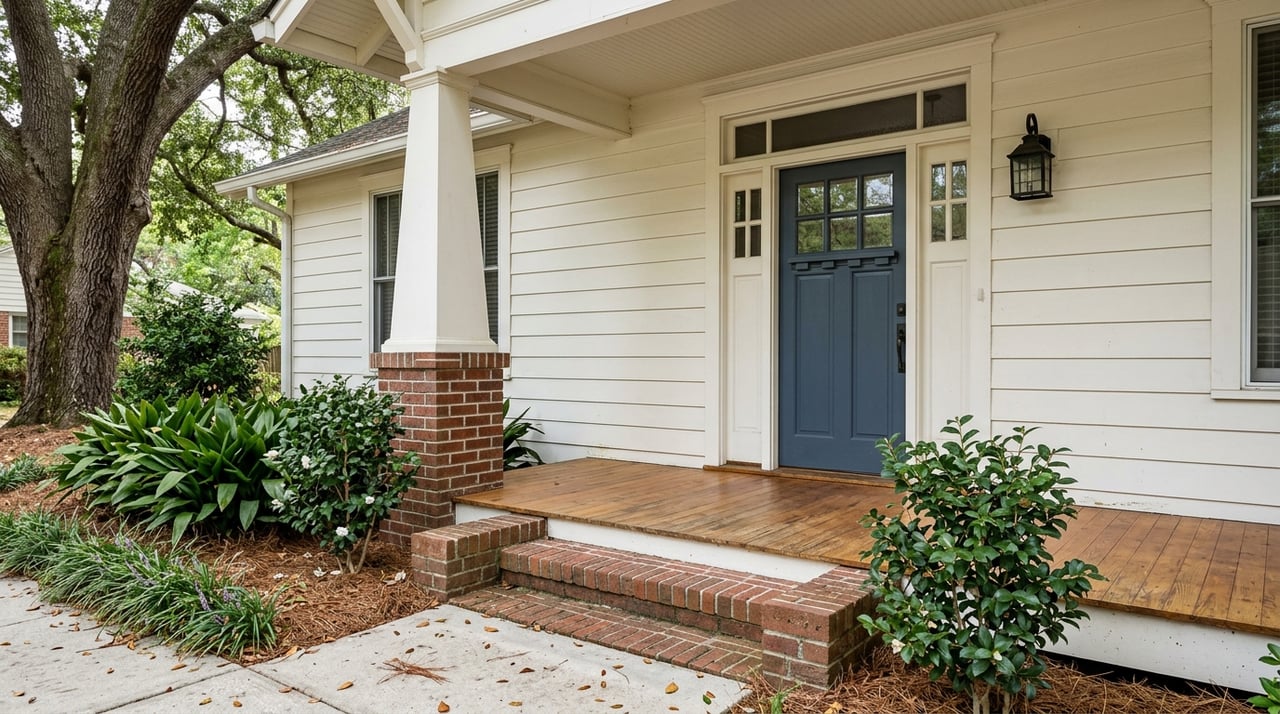
You can fall in love with a historic Pensacola home in minutes, but buying one wisely takes a little more homework. If you are drawn to front porches, original details, walkable streets, and a close-to-downtown lifestyle, Pensacola’s historic neighborhoods can offer a lot to love. The key is knowing how the historic core is laid out, what kinds of homes you will see, and what ownership may look like after closing. Let’s dive in.
Pensacola’s historic core at a glance
Pensacola’s historic areas are not just one neighborhood with one look. The city describes a concentrated historic core that includes the downtown Pensacola Historic District, North Hill, Old East Hill, and the Palafox Historic Business District, each with its own identity.
For buyers, that matters because your experience can vary a lot from one area to another. Some blocks feel more residential, some connect more directly to downtown activity, and some reflect a stronger commercial or mixed-use setting.
Downtown Historic District boundaries
The downtown Pensacola Historic District covers a 36-block area bounded by Chase Street, 9th Avenue, Palafox Street, and Pensacola Bay. That puts it right in the heart of the city’s historic center.
If you want to live near the waterfront, downtown destinations, and older building stock, this area often shapes the lifestyle you are picturing. It also helps explain why location within the historic core can feel very different from a typical suburban setup.
North Hill and Old East Hill
North Hill and Old East Hill sit around the downtown core and serve as the main residential historic-neighborhood options. Both are known for older homes, established street patterns, and a more neighborhood-centered feel than the business district.
That does not mean they are interchangeable. As you compare homes, you will likely notice differences in architecture, block patterns, and how close each property feels to downtown activity.
Palafox business district context
The Palafox Historic Business District is the commercial side of the historic center. Even if you are shopping for a residential property, this district helps define the look and energy of the area around downtown.
For many buyers, nearby access to shops, restaurants, and public spaces is part of the appeal. It is one reason historic Pensacola can feel more urban and connected than newer neighborhoods farther out.
Home styles you may see
One of the biggest reasons buyers explore historic Pensacola is architectural character. These homes often do not follow the same floor plans, materials, or design patterns you would see in newer subdivisions.
That variety can be exciting, but it also means two homes at a similar price point may offer very different layouts, updates, and maintenance needs.
Styles in the downtown district
The Pensacola Historic District includes many 19th- and 20th-century buildings. According to the city, styles include French Creole cottages, Victorian, Greek Revival, and frame vernacular structures.
If you are used to newer homes, expect more individuality. Exterior details, room flow, and original materials may vary widely from one property to the next.
North Hill architecture
North Hill includes Queen Anne, Classical Revival, Tudor Revival, Spanish Colonial Revival, Modern, and Bungalow examples. That gives the neighborhood a broad visual mix and a strong sense of architectural personality.
For buyers, that can mean more options if you have a specific style in mind. It can also mean you need to look past surface finishes and pay close attention to how well each home has been maintained over time.
Old East Hill character
Old East Hill is mainly residential and generally more vernacular overall, though it also includes Craftsman, Mission, and Queen Anne homes. The result is a neighborhood where charm often comes from a lived-in, established residential feel rather than one uniform architectural statement.
If you want an older home in a neighborhood setting close to the historic core, this may be the kind of environment worth exploring. As always, the specifics of each property will matter more than the label alone.
What the lifestyle feels like
Historic Pensacola offers more than older houses. The street design and downtown setting shape how daily life may feel once you move in.
If you value being able to get around without relying on a suburban street pattern, the city’s descriptions of the historic core point to a more compact and connected experience.
Walkable block patterns
The City of Pensacola’s Active Transportation Plan describes downtown as having small, walkable blocks, a connected street network, narrow streets, and frequent crossings. It also notes that historic areas outside downtown have historically narrow streets and compact development.
In plain terms, many parts of the historic core function more like an urban neighborhood than a suburban subdivision. That can be a major plus if you like shorter blocks, closer destinations, and a traditional street grid.
Downtown access and amenities
Downtown Pensacola’s official site highlights a dense mix of coffee shops, restaurants, nightlife, markets, and shops along and near Palafox, Garden, Jefferson, and surrounding streets. For buyers living in or near the historic core, that supports a mixed-use lifestyle with more nearby options.
This kind of convenience is often part of the tradeoff. You may gain proximity and character, but you may also be choosing an older home with more varied upkeep than a newer build.
Parks and public space
The lifestyle picture also includes public space. The city says Vince J. Whibbs, Sr. Community Maritime Park in Historic Downtown Pensacola offers a waterfront, multi-use setting with exhibition space, an amphitheater, a playground, and festival grounds.
The city also maintains 93 parks and open spaces and highlights public art as part of Pensacola’s identity. For many buyers, those features add to the appeal of living closer to the historic center.
What to expect from older homes
Historic homes can be rewarding to own, but they usually ask for more attention than newer construction. Before you buy, it helps to think beyond finishes and focus on how the home handles water, ventilation, and long-term upkeep.
That does not mean every historic home is high maintenance. It means condition, past repairs, and ongoing care matter a lot.
Roof and drainage matter
Preservation guidance for historic roofs emphasizes keeping up with roof shape and materials, cleaning gutters and downspouts, replacing deteriorated flashing, checking ventilation, and addressing leaks quickly. For buyers, that points to the importance of roof and water management.
When touring homes, look at the property with that lens. A beautiful exterior means more when the drainage, flashing, and roof maintenance appear to have been handled consistently.
Moisture can tell a story
Preservation guidance on moisture notes common sources of unwanted moisture in older buildings, including weather intrusion, leaking plumbing or mechanical systems, interior humidity, and water introduced during maintenance or construction. Deferred maintenance can also show up in blocked gutters and downspouts.
That makes moisture one of the most important themes to understand before you buy. Signs of staining, peeling paint, or neglected exterior drainage may deserve closer attention during your due diligence.
Windows may need care
Guidance on historic wood windows notes that they should be evaluated for repair and that paint helps protect wood from moisture and insects. In many older Pensacola homes, windows are not simply a replace-or-ignore feature.
Instead, they are often part of the home’s long-term maintenance plan. If original or older wood windows are present, routine care may be a normal part of ownership.
Historic core versus newer suburbs
For many buyers, the decision is not really about whether old is better than new. It is about which lifestyle and ownership experience fits you best.
Pensacola’s historic core and newer suburban areas often offer very different day-to-day patterns. Knowing your priorities can make the choice much clearer.
The core tradeoff
Based on the city’s preservation and mobility descriptions, the historic core offers character, compact blocks, and easier downtown access. By contrast, suburban street patterns are described as wider, less connected, and more cul-de-sac oriented.
So the real question is this: do you value walkability, architectural character, and urban convenience enough to accept more variable maintenance histories? For many buyers, that answer becomes the deciding factor.
Who may prefer historic neighborhoods
You may be a strong fit for historic Pensacola if you want a home with personality, prefer a connected street grid, and like being close to downtown businesses and public spaces. You may also appreciate the fact that homes here often reflect earlier eras rather than newer subdivision templates.
On the other hand, if your top priority is a more standardized layout or a lower-maintenance feel, newer areas may deserve a closer look. Neither choice is better across the board. It depends on how you want to live.
How to shop smart in historic Pensacola
Buying in a historic neighborhood usually works best when you balance emotion with practical review. Charm should draw you in, but condition should guide your final decision.
As you compare properties, keep your focus on a few key points:
- Compare location within the historic core, not just the neighborhood name
- Look closely at roof, gutters, flashing, and signs of water management
- Pay attention to ventilation and moisture-related clues
- Notice whether windows and exterior wood elements appear maintained
- Expect layout differences from newer homes
- Weigh walkability and downtown access against maintenance expectations
A good buying strategy is not about talking yourself out of charm. It is about making sure the charm comes with a property you can own confidently.
If you are thinking about buying in North Hill, Old East Hill, or near downtown Pensacola, local guidance can help you compare block-by-block lifestyle, home condition, and long-term fit. When you are ready to explore your options, connect with Bastion Realty South Inc for responsive, neighborhood-focused help.
FAQs
What are the main historic neighborhoods in Pensacola for homebuyers?
- Pensacola’s historic core includes the downtown Pensacola Historic District, North Hill, Old East Hill, and the Palafox Historic Business District.
What home styles can buyers expect in historic Pensacola neighborhoods?
- Buyers may see French Creole cottages, Victorian, Greek Revival, frame vernacular, Queen Anne, Classical Revival, Tudor Revival, Spanish Colonial Revival, Bungalow, Craftsman, Mission, and other early 20th-century styles depending on the area.
What is the lifestyle like near downtown Pensacola historic neighborhoods?
- The historic core is associated with small walkable blocks, connected streets, nearby businesses, public spaces, and easier access to downtown amenities than many newer suburban areas.
What maintenance issues should buyers watch for in older Pensacola homes?
- Buyers should pay close attention to roof condition, gutters, downspouts, flashing, ventilation, moisture intrusion, and the condition of older wood windows and exterior materials.
How do historic Pensacola neighborhoods compare with newer suburbs?
- Historic neighborhoods generally offer more character, compact development, and downtown access, while newer suburbs often have wider streets, less connected layouts, and a more conventional suburban pattern.