Buying your first home in Pace can feel exciting and overwhelming all at once. You want a smart plan, a clear budget, and a home that fits your life without surprises. This guide breaks down the steps, local inspections, closing costs, and offer strategies you need to move with confidence in Pace and greater Santa Rosa County. You will also find trusted links to official resources for programs, fees, and flood maps. Let’s dive in.
Why Pace appeals to first-timers
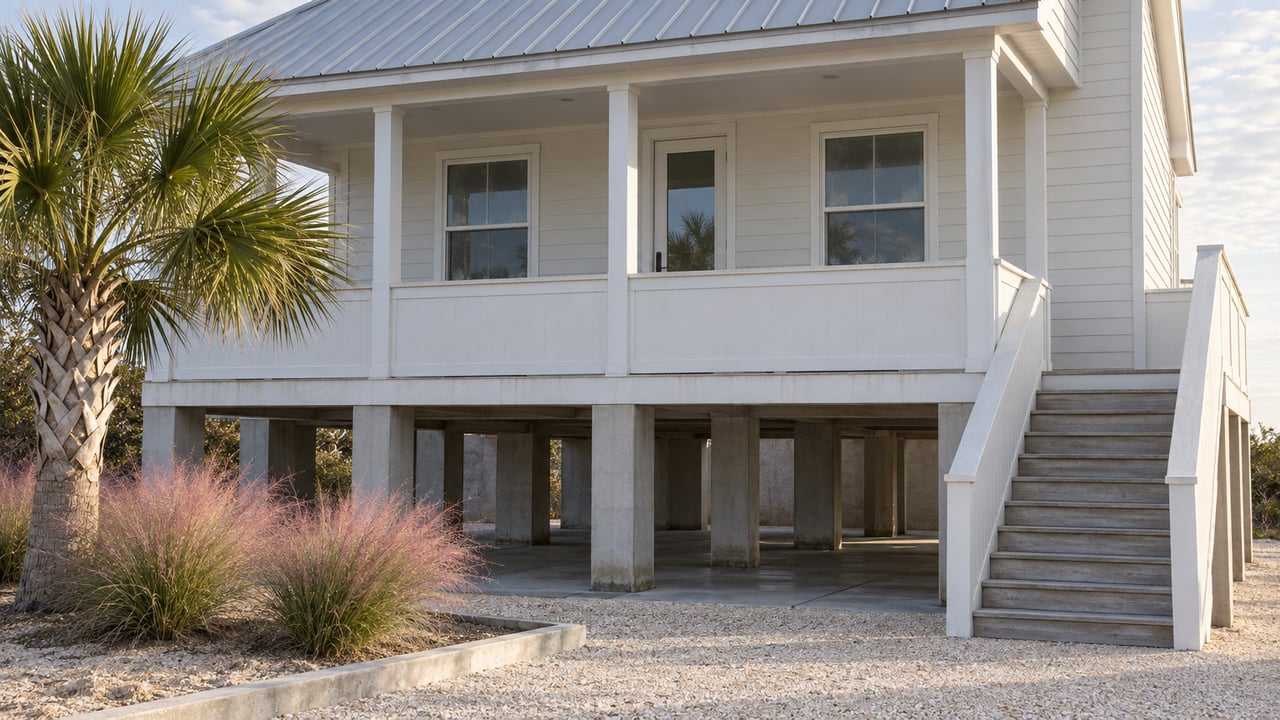
Pace sits just east of Pensacola and blends suburban convenience with a more open feel. You will see newer single-family subdivisions alongside established homes on quarter-acre to multi-acre lots, plus some rural parcels with septic or well systems. Many buyers choose Pace for larger lots, newer construction options, and a manageable commute to Pensacola employers.
Entry-level single-family homes and properties with convenient commutes often see the strongest demand. You can succeed here with the right prep, fast communication, and a clear budget that accounts for inspections and closing costs.
Your step-by-step roadmap
Phase 1: Prepare finances
- Gather ID, recent pay stubs, 2 years of W-2s or tax returns, and bank statements.
- Review your credit report and address errors early.
- Meet at least two lenders for a written pre-approval. A strong pre-approval clarifies your target price and loan type.
- If you need program info or education, explore the Florida Housing Finance Corporation programs for first-time buyer guidance and assistance options.
- Run numbers with a simple mortgage calculator so you can see the impact of down payment, taxes, and insurance.
Phase 2: Search smart
- Define must-haves and nice-to-haves: commute, lot size, home age, HOA rules, and flood risk.
- Tour both resale homes and new-construction communities. New builds can offer warranties but may have longer timelines.
- Ask your agent for recent Pace stats to understand time on market and how quickly you may need to act.
Phase 3: Make the offer
- Your agent will prepare terms, including price, closing date, earnest money, and contingencies.
- In competitive segments, sellers may request best-and-final offers on a short timeline. A firm pre-approval helps you stand out.
Phase 4: Inspections and contingencies
- Typical protections include general home inspection, termite/WDO, financing, appraisal, and any septic or well inspections if applicable.
- If the property is in a Special Flood Hazard Area, plan for flood insurance quotes and possibly an elevation certificate.
- Use your inspection window to negotiate repairs or credits.
Phase 5: Appraisal and loan approval
- Your lender orders the appraisal while underwriting reviews documents.
- Respond quickly to any lender requests to keep the file moving.
Phase 6: Closing day
- You will receive a Closing Disclosure at least 3 business days before signing.
- Confirm the closing agent, wire instructions, and final funds due.
- After signing, the deed records with the county and you receive keys.
Inspections that matter in Pace
Standard inspections
- General home inspection to evaluate roof, structure, HVAC, plumbing, and electrical systems.
- WDO (termite) inspection, which is highly recommended in Florida.
- HVAC check due to heavy seasonal use in our humid climate.
Florida-specific due diligence
- Septic inspection and certification if the property is not on municipal sewer.
- Well-water testing for bacteria and nitrates if there is a private well.
- Flood-zone review using the FEMA Flood Map Service Center. Your lender will require flood insurance if the home is in a Special Flood Hazard Area.
- Elevation certificate if needed to determine flood insurance premiums. Ordering can add time and cost, so plan early.
- Hurricane resilience review for shutters, impact windows, roof tie-downs, and code updates.
Typical inspection costs
- General home inspection often runs a few hundred dollars.
- WDO inspection is commonly under two hundred dollars.
- Septic inspections often cost a few hundred dollars, depending on system and scope.
- Elevation certificates can range from hundreds to over a thousand dollars depending on survey needs.
These are estimates. Confirm current pricing with licensed inspectors in Santa Rosa County and factor them into your budget upfront.
Understand Florida closing costs
Closing costs in Florida, excluding your down payment, commonly total about 2 to 5 percent of the purchase price. Exact amounts depend on loan type, lender fees, title charges, and who pays which items. Ask your lender and closing agent for written estimates early.
What buyers typically pay
- Loan fees such as origination, underwriting, or discount points if chosen.
- Appraisal and credit report charges.
- Title search, closing agent fees, and a lender’s title insurance policy. Many buyers also choose an owner’s title policy.
- State taxes and county recording fees.
- Prepaids for homeowners insurance, flood insurance if required, property-tax escrows, and HOA-related transfer fees if applicable.
For Florida-specific taxes, review the official rules for the Florida documentary stamp tax and the Florida intangible tax on mortgages. Recording fees are set locally, so check the Santa Rosa County Clerk of Court for fee schedules and recording processes. To estimate your annual property taxes and see past bills, use the Santa Rosa County Property Appraiser.
To understand your Loan Estimate and the Closing Disclosure, use the CFPB’s Owning a Home guides. Compare your initial Loan Estimate to the final Closing Disclosure to confirm changes and ask questions before you sign.
Who pays which costs
In Florida, payment of certain costs is negotiable. In many transactions, sellers pay documentary stamps on the deed and the owner’s title policy, although customs vary by county and price band. Your agent will explain local norms in Pace and help you structure a competitive and fair offer.
Compete with confidence in Pace
Know your price band
Ask your agent for a comparative market analysis that breaks down Pace inventory by price band. Look at months of inventory, median days on market, and sale-to-list price ratios. Short days on market, low inventory, and frequent multiple offers signal a more competitive tier.
Strategies that help first-time buyers
- Strengthen financing with a full pre-approval and proof of funds for earnest money.
- Offer a reasonable earnest money deposit while keeping key protections in your contract.
- Be flexible on closing date to meet the seller’s timing.
- Consider an escalation clause with a sensible cap if multiple offers are common.
- Use caution with waiving inspections or appraisal protections. In Pace, septic, well, and flood-zone issues can carry real costs. Keep the right safeguards for your situation.
- For new construction, review builder warranties, permitting, and what is included in the base price versus upgrades.
Quick checklist to start
- Pull free credit reports and correct any errors.
- Gather pay stubs, W-2s or tax returns, bank statements, and ID.
- Get written pre-approvals from at least two lenders and compare rates, fees, and timelines.
- Interview a local buyer’s agent and request a Pace-specific CMA.
- Ask for MLS data on inventory and days on market by price band.
- Budget for inspections early, including WDO, septic, well, and any elevation certificate.
- Check a property’s flood zone using the FEMA Flood Map Service Center, then get insurance quotes if needed.
- Verify closing costs with your lender and closing agent. Compare the Loan Estimate to your Closing Disclosure using the CFPB’s Owning a Home guides.
- Explore assistance and loan options:
- Down payment and education through the Florida Housing Finance Corporation programs.
- Rural eligibility with the USDA loan eligibility map.
- Military benefits via VA home loan benefits.
Ready to buy your first home in Pace with a clear plan and a local advocate on your side? Reach out to Jason & Charlcie Smallwood for responsive, neighborhood-first guidance and a smooth path from search to keys.
FAQs
How long does a Pace purchase usually take?
- From first lender meeting to closing, many first-time purchases take 30 to 60 days after you go under contract. Your search time varies with supply and how quickly you find a match.
Which inspections are essential in Santa Rosa County?
- A general home inspection and WDO inspection are common. Add septic, well-water testing, and flood-zone review, plus an elevation certificate if needed for insurance.
How do I check if a Pace home needs flood insurance?
- Look up the address on the FEMA Flood Map Service Center. If it sits in a Special Flood Hazard Area, lenders will require flood insurance.
What do closing costs include for Florida buyers?
- Expect lender fees, appraisal, title and closing charges, state taxes, recording fees, and prepaids for insurance and taxes. Review your Loan Estimate and Closing Disclosure closely.
Who pays Florida’s documentary stamp and intangible taxes?
- Customs vary by market. Sellers often pay deed documentary stamps, while the intangible tax applies to new mortgages. Confirm details with your closing agent.
Are USDA or VA loans available in Pace?
- Parts of Santa Rosa County may qualify for USDA programs. Eligible service members and veterans can explore VA home loan benefits for zero-down options.