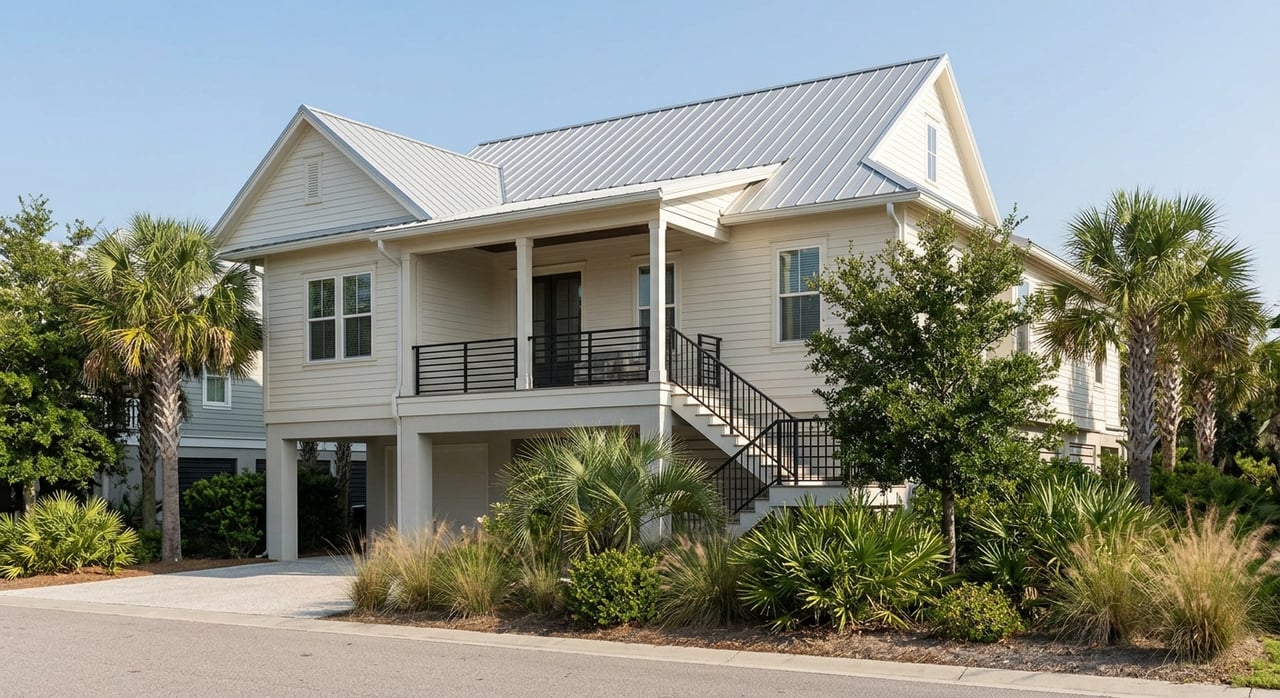
Are you trying to figure out what “Fairhope style” really means when you start house hunting? In this part of Baldwin County, one city can offer compact cottages near downtown, historic homes along the bay, and newer neighborhood options farther out. If you want to understand how those areas differ in feel, layout, and day-to-day living, this guide will help you compare your options and move forward with more confidence. Let’s dive in.
Fairhope offers three distinct home styles
One of the biggest draws in Fairhope is variety. The city blends an arts-oriented, walkable small-town setting with coastal scenery and newer residential growth. That means your best-fit neighborhood style depends on how you want to live, not just what kind of house you want.
At a high level, Fairhope tends to break into three broad categories for buyers. You will usually find historic cottages and bungalows near downtown, bayfront and bluff-front homes near the water, and newer subdivision-style neighborhoods on the edges of town. Each option brings a different balance of character, space, access, and upkeep.
The local market context matters too. The Census Bureau’s latest QuickFacts lists Fairhope’s estimated 2024 population at 26,044, an owner-occupied housing rate of 80.4 percent, and a median owner-occupied home value of $430,900. Those numbers help frame why buyers often look closely at neighborhood style before narrowing in on a property.
Historic cottages near downtown
If you picture Fairhope as porches, mature streetscapes, and a more walkable in-town feel, you are likely thinking of the historic core. The city identifies Downtown Fairhope, Bayfront, White Avenue, and Montrose as historic districts. Downtown also benefits from free parking, the Arts Alley garage, the Downtown Shuttle, and the Arts Alley connection between Section Street and Church Street.
For many buyers, this area stands out because daily life can feel more connected to local shops, events, and waterfront amenities. The streets closest to the central business district tend to reflect older development patterns, with compact lots and more uniform setbacks. That can create a sense of rhythm and closeness that feels very different from a larger suburban layout.
What these homes often look like
In buyer-friendly terms, homes in the historic core often show up as cottages, bungalows, small historic houses, and renovated infill. Fairhope’s planning documents also note that infill near downtown can include cottage-style single-family homes, small multi-family buildings, alley houses, and mixed-use projects. So even when a home is newer, it may still follow a more compact, traditional pattern.
White Avenue is a good example of this style. Historic documentation describes many homes there from roughly 1915 to 1935, often one story or one-and-a-half stories tall. Common features include drop siding, stucco, screened porches, gable roofs, dormers, and Craftsman details.
Why buyers choose in-town living
Buyers who prefer this part of Fairhope are often looking for lifestyle first. You may value being able to spend time near downtown, enjoy a more pedestrian-oriented setting, or own a home with architectural charm and a smaller footprint. In many cases, the appeal is not size alone, but the combination of location, character, and atmosphere.
That said, historic and infill properties can come with tradeoffs. Lot sizes may be smaller, floor plans may be less open than newer homes, and updates can vary widely from one property to the next. If you are considering this style, it helps to compare renovation quality, storage, parking, and how much original character you want to preserve versus change.
Bayfront homes and bluff-front living
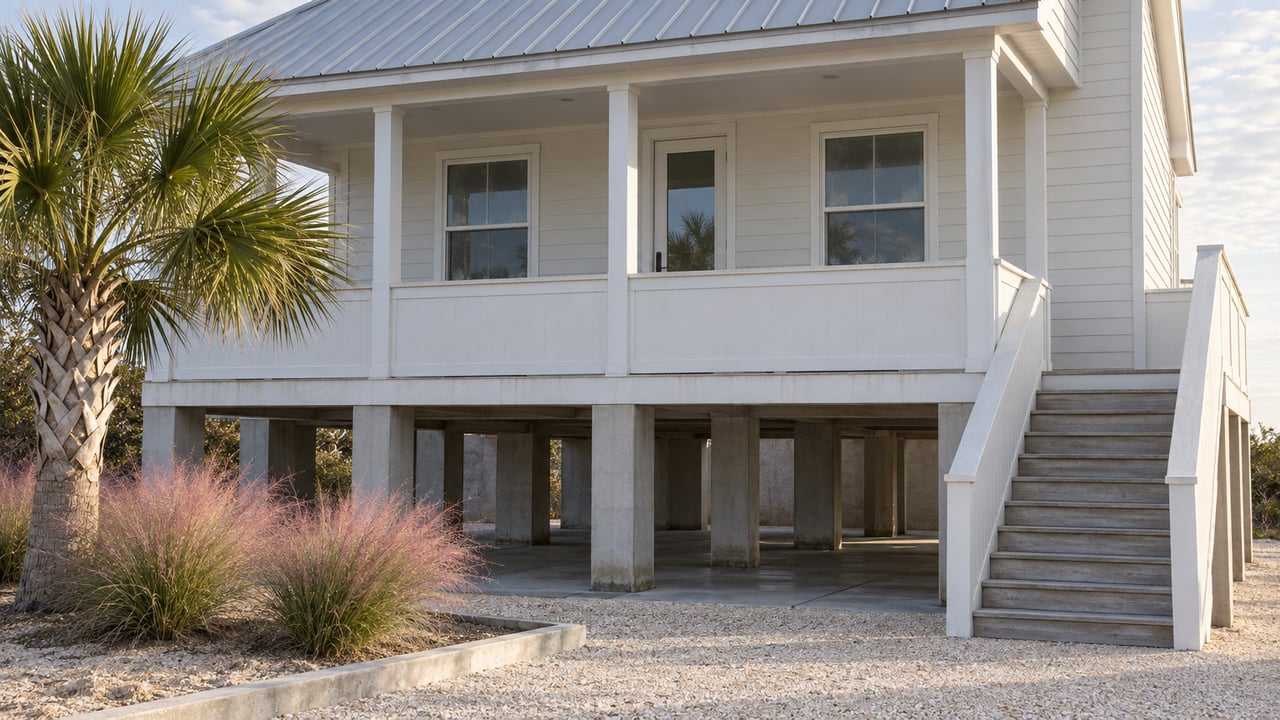
Fairhope’s most iconic housing style is its bayfront living. Along the bluffs and near the pier area, homes are shaped as much by setting as by architecture. This is the version of Fairhope many visitors remember most clearly.
The Bayfront Historic District is listed on the National Register, with a period of significance from 1894 to 1938. Its homes reflect architectural types that were popular in resort communities, while still using modest materials and simple forms that fit Fairhope’s early character.
What makes bayfront living different
In practical terms, bayfront homes are about views, access, and atmosphere. The city’s parks system places the municipal pier and park at the west end of Fairhope Avenue and describes the pier as a community hub. The bayfront area also includes bluff-top parks, a sandy beach, a tree trail, and public boat access.
That setting can shape your daily routine in a big way. You may be drawn to wide water views, breezes, sunsets, or easy access to shoreline amenities. For some buyers, that emotional connection to place matters just as much as square footage or interior finishes.
What to consider before you buy
Waterfront and low-lying properties usually require extra due diligence. The city states that its permitting jurisdiction includes multiple Special Flood Hazard Areas on FEMA maps dated April 19, 2019, and it enforces Flood Damage Prevention Ordinance No. 1643. Because of that, floodplain questions can become a key part of evaluating a bayfront or nearby property.
Before making an offer, you will want to review disclosures carefully and look closely at elevation, flood insurance considerations, and construction details. These issues do not automatically make a property a poor fit. They simply mean you need a clear picture of ongoing costs, property condition, and any location-specific requirements.
Newer neighborhoods on the edges of town
If your priority is a more contemporary home plan or more space, newer parts of Fairhope may feel like the better match. Outside the historic core, the city’s comprehensive plan describes more suburban-style development on the outskirts. It also discusses potential traditional neighborhood districts in areas east of Greeno Road and east of Route 181.
For buyers, that generally means the outer areas of Fairhope are more likely to include planned subdivisions or newer neighborhood layouts than the cottage streets near downtown. The home style may feel more current, and the lots or interior layouts may better suit buyers who want extra bedrooms, larger garages, or more separation between living spaces.
The tradeoff with newer development
The biggest tradeoff is often between space and immediate walkability. A newer neighborhood may offer a more modern floor plan and a different kind of convenience, but it may not have the same old-town texture found closer to the bay and downtown. If you love charm and a compact street pattern, the outskirts may feel less distinctive.
On the other hand, if your day-to-day routine depends on flexible space, easier car access, or a more suburban setup, a newer area can be a strong fit. This is especially true if you are relocating and want a house that requires fewer updates right away.
How amenities shape your choice
In Fairhope, neighborhood style is closely tied to amenities. The city lists Fairhope East Elementary, Fairhope West Elementary, J. Larry Newton Elementary, Fairhope Middle, and Fairhope High, along with private and higher-education options. It also highlights amenities such as the municipal pier, Knoll Park, the tree trail with almost 500 species, the public boat ramp, the Marietta Johnson Botanical Garden, and the Eastern Shore Trail.
Rather than focusing only on the house itself, it helps to think about where you will spend your time. Do you want quick access to downtown events and waterfront parks? Do you want more room and a newer home layout? Are you hoping for a coastal feel that supports a second-home or investment goal? The right answer usually becomes clearer when you connect house style to everyday routines.
Commute can also play a role. Fairhope’s average commute time is 25.9 minutes, so many residents balance local neighborhood life with regional work travel. If you commute across Baldwin County or toward nearby Gulf Coast job centers, the location of your neighborhood may matter just as much as its visual style.
A simple way to compare Fairhope styles
If you are narrowing your search, this quick breakdown can help:
- Historic core: Best if you want charm, smaller-scale homes, and a more pedestrian-oriented in-town setting.
- Bayfront and bluff-front areas: Best if you want views, waterfront atmosphere, and a location closely tied to the bay.
- Newer outer neighborhoods: Best if you want more contemporary layouts, potentially more space, and a more suburban feel.
The key is not deciding which style is “best” overall. It is deciding which one fits your goals, budget, and lifestyle most naturally.
Choosing the right fit in Fairhope
Fairhope stands out because it gives you multiple ways to live in the same city. You can look for a bungalow near the historic core, a bayfront home shaped by views and access, or a newer property in a growing area with a different kind of convenience. Each option tells a different story about how you want your home to support your life.
If you are comparing neighborhoods in Fairhope or planning a move anywhere along the Alabama Gulf Coast, working with a team that understands both local character and practical decision-making can make the process much easier. Connect with Bastion Realty South Inc for responsive, neighborhood-focused guidance as you search for the right fit.
FAQs
What types of homes are common in Fairhope, Alabama?
- Fairhope commonly offers three broad styles: historic cottages and bungalows near downtown, bayfront and bluff-front homes near the water, and newer subdivision-style homes on the edges of town.
What is the historic core of Fairhope like for homebuyers?
- The historic core tends to offer a more pedestrian-oriented setting with cottages, bungalows, small historic homes, renovated infill, and easy access to downtown and bayfront amenities.
What should buyers know about bayfront homes in Fairhope?
- Bayfront homes often appeal because of views, water access, and atmosphere, but buyers should also pay close attention to disclosures, floodplain questions, elevation, and insurance planning.
Are newer neighborhoods in Fairhope different from downtown areas?
- Yes. Newer neighborhoods are generally more likely to feel suburban or planned, with more contemporary house plans and often more space than homes in the older in-town areas.
How do amenities affect where to buy in Fairhope?
- Amenities can strongly shape your decision because Fairhope offers parks, trails, waterfront access, and public schools across the city, so the best neighborhood often depends on how you want to spend your time each day.