North Hill and East Hill are Pensacola's two oldest historic districts, both a short drive from downtown, both carved out by the same wave of resident-led zoning fights, and both answering to the same city board when a homeowner wants to change so much as a fence line. And yet, based on trailing twelve-month sales data reported in mid-2026, a home in North Hill closes at a median of $317,000, while East Hill's median sale as of March 2026 sat closer to $698,000. That's not a rounding difference. That's a home in one Pensacola historic district costing, on paper, more than double a home in the other.
The easy explanation is that East Hill's preservation rules must be tighter, or its historic pedigree more prestigious, and that North Hill is somehow the more permissive, less protected cousin. Pull the actual code and that story falls apart almost immediately.
The Same Board, The Same Code, Two Different Neighborhoods
Pensacola's city records are direct about this: after the original downtown Pensacola Historic District was formalized in 1968, North Hill and Old East Hill were both established shortly after, through the same kind of local resident advocacy, and both were placed under the review of the same body, the Pensacola Architectural Review Board. If you own a contributing structure in either district and want to replace a fence, repaint the trim, or add an accessory building, you're filing with the same board, working from the same palette of approved historic colors, and choosing from the same short list of allowed fence materials: wood, brick, stone, or wrought iron. No concrete block. No barbed wire. That rule doesn't care which side of downtown your address falls on.
North Hill has its own dedicated nonprofit steward, the North Hill Preservation Association, formed in 1972 and formally organized two years later, which runs a volunteer Architectural Review and Assistance Committee to help homeowners get renovation plans through the ARB smoothly. The association hands out two annual awards, the Joyce Turner Award for exterior renovation and the Edwin J. Hacker Award for landscaping, named for two people credited with shaping the district's preservation effort and its gardens. This November 29, the association opens six of the neighborhood's homes for its annual Tour of Homes, a fixture the Sunday after Thanksgiving.
None of that infrastructure is unique to a "cheaper" district. It's evidence of an active, engaged preservation culture, not a looser one. So if the rulebook is functionally the same, the price gap has to come from somewhere else.
What the Money Actually Buys in North Hill
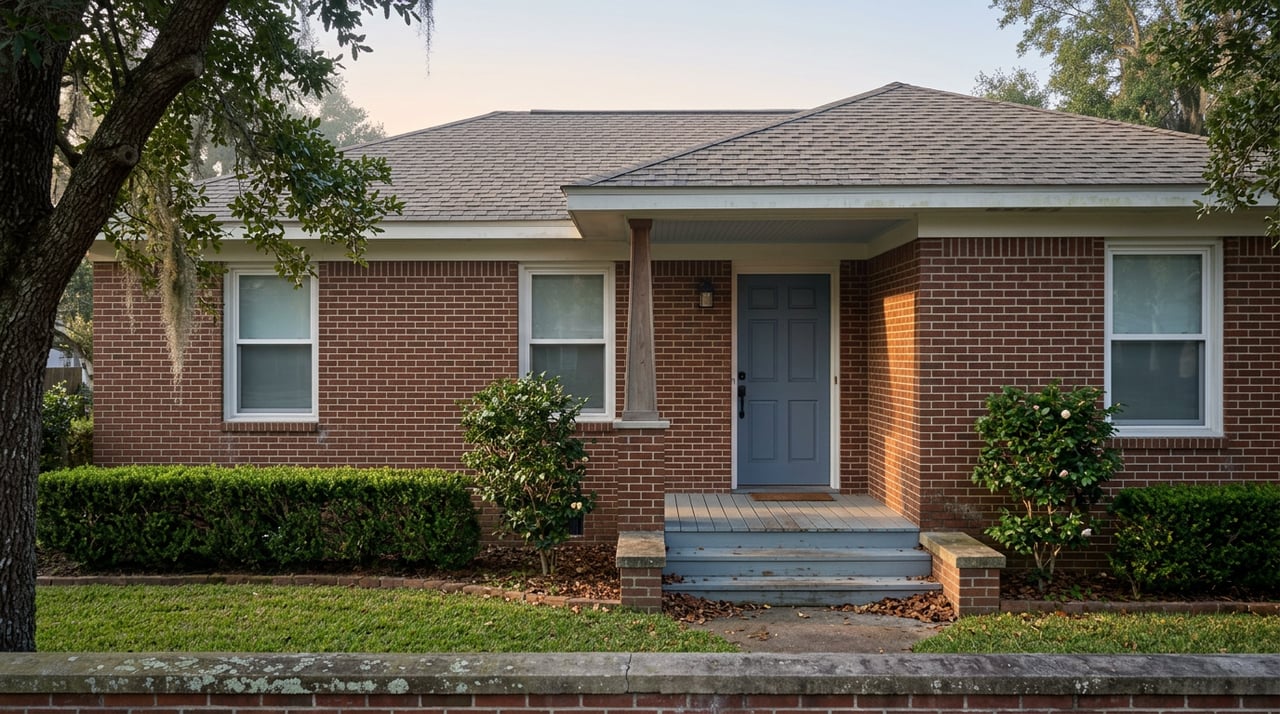
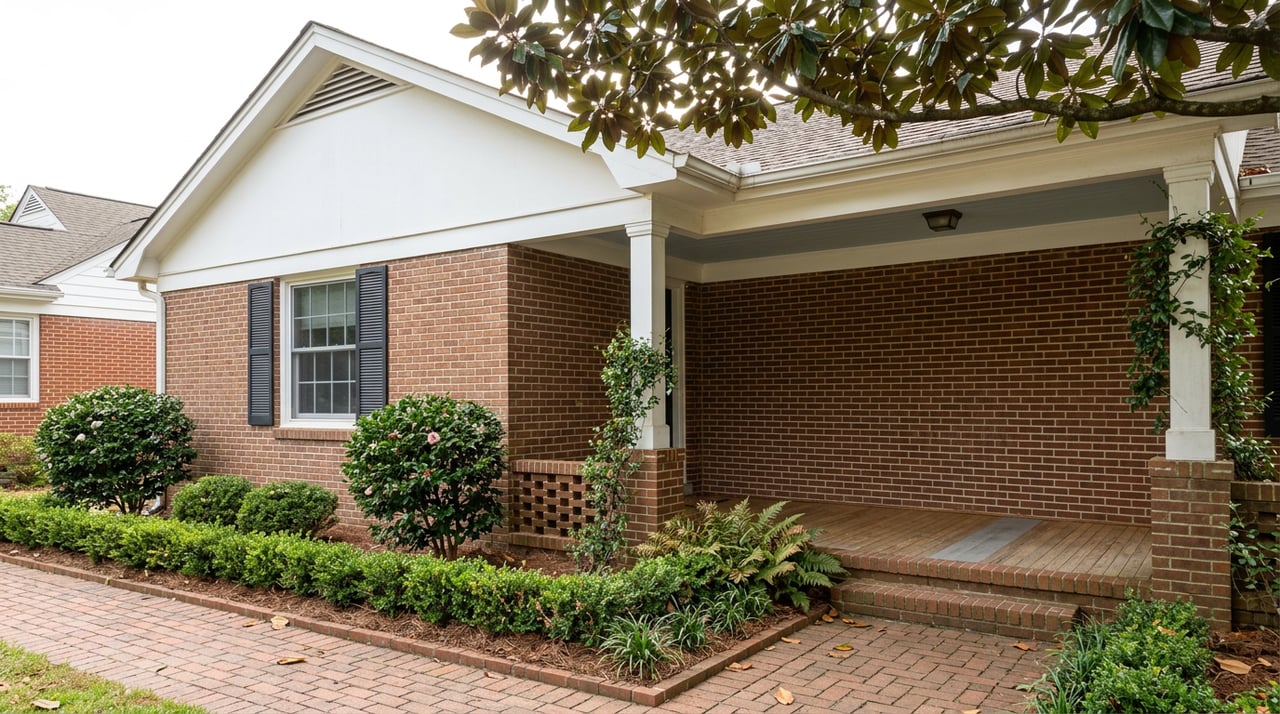
Part of the answer is what's actually for sale. North Hill's National Register listing recognizes more than 400 historic homes built between 1870 and the 1930s, spanning Queen Anne, Neoclassical, Tudor Revival, Craftsman Bungalow, Mediterranean Revival, and even Art Moderne styles. That's a wide, varied inventory, and it sorts into what amounts to three honest price tiers: original historic homes still needing restoration work, restored or well-kept homes on strong blocks that make up the heart of the market, and a small handful of fully restored grand estates that represent the scarce top end.
That spread matters more than any single median. A $317,000 trailing-twelve-month median isn't describing one kind of house. It's an average across buyers taking on a fixer-upper's restoration math and buyers writing a check for a move-in-ready Craftsman on a strong block. As of late June 2026, active North Hill listings carried a median asking price closer to $490,000 with homes going under contract in about 29 days, well above the closed-sales median, which tells you plenty of sellers are testing the top of the market on renovated properties while the trailing average still reflects a lot of as-is inventory moving through.
The Water Premium Nobody Needs a Preservation Board to Explain
East Hill's numbers tell a narrower story because its inventory is narrower. The neighborhood's eastern edge runs along Bayou Texar, an estuary fed by Carpenter's Creek that empties into Pensacola Bay, and streets like Blackshear Ave are lined with waterfront homes that carry a location premium no zoning ordinance created. Add a walkable retail spine along 12th Avenue, where J's Pastry Shop has been a local fixture since 1946 and East Hill Pizza has picked up VIP Magazine's Best Pizza in Pensacola title in 2020, 2021, 2022, and 2024, and you get a neighborhood where the daily-life amenities sit inside walking distance of the housing stock, not a few miles from it.
Bayview Park anchors the neighborhood's public life. The East Hill Neighborhood Association's Bands on the Bayou concert series returned there for its sixth year in 2026, drawing crowds for free outdoor shows that have raised more than $163,000 for local nonprofits since 2021, including $42,000 in 2025 alone. The park also hosts the Bayou Hills Run each spring, billed as Pensacola's oldest race and the city's official 5K and 10K championship, which sent runners along Bayou Texar past East Hill's oak canopy on March 28, 2026. Residents round out the calendar with Funky Fest, an annual mix of art show, festival, and neighborhood-wide garage sale.
None of that is a preservation-board outcome. It's a location and amenity bundle, and buyers are pricing it accordingly.
Why East Hill's Headline Numbers Keep Contradicting Each Other
Here's where a buyer doing quick research online can get genuinely misled. Depending on which month and which slice of East Hill sales you look at, you'll find wildly different headline trends. One dataset covering March 2026 put the median sale price at $698,000, up 24.8% year over year, with homes selling in about 69 days compared to 125 days the year before. A separate cut of nearly the same market showed an average house price of $497,000, down 23.6% over the same stretch. A third figure, from May 2026, put the median sale price for all home types at $714,760, up 19.1% year over year.
Those three numbers aren't really disagreeing about what East Hill is worth. They're a symptom of how few homes actually trade there each month. March 2026 saw just 12 East Hill closings, down from 17 the year before. When your sample size is a dozen transactions, a single high-end waterfront closing or a single modest cottage sale can swing a median by six figures and a headline percentage by double digits, without the underlying market having moved at all. North Hill's larger, steadier flow of listings doesn't produce that kind of whiplash, because averaging across more transactions smooths out the noise from any single unusual sale.
For a buyer, the practical lesson is not to anchor on whichever East Hill percentage you saw first. Ask your agent for the actual closed comps from the last few months, not just the headline year-over-year number, before you decide the neighborhood is "up" or "down."
| North Hill | East Hill | |
|---|---|---|
| Median sold price | $317,000 (trailing 12 months, reported mid-2026) | $698,000 (March 2026); mid-$700,000s typical range cited elsewhere |
| Days on market | 55 days (closed sales, mid-2026) | 69 days in March 2026, down from 125 days a year earlier |
| Monthly sales volume | Broader, steadier flow across roughly 400+ historic homes | 12 closings in March 2026, down from 17 the year prior |
| Governing preservation body | Pensacola Architectural Review Board, Sec. 12-2-10 | Same Architectural Review Board, Old East Hill Preservation District |
| Defining local amenity | Fort George Memorial Park, Armstrong Park | Bayview Park on Bayou Texar, 12th Ave retail corridor |
What This Means If You're Choosing Between Them
If your budget has room to grow with a house, meaning you're comfortable taking on a restoration project and working through the ARB's approval process for windows, paint colors, and exterior details, North Hill's range of price bands gives you an actual entry point, plus a preservation association built specifically to help homeowners navigate that process.
If you want walkable retail, water frontage, and an established calendar of neighborhood events already running, East Hill delivers that, but you should expect to compete in a much thinner market. Fewer listings trade each month, which means less room to negotiate on comps and more risk that the "market trend" you read online is really just last month's small sample talking.
Either way, the preservation board isn't the variable to weigh. It's the same board, the same code section, and largely the same rulebook on both sides of downtown. What you're actually paying for is inventory, water, and walkability, not paperwork.
FAQ
Are the historic preservation rules different between North Hill and East Hill? No. Both districts fall under the City of Pensacola's Architectural Review Board and the same municipal code framework governing exterior changes, fences, paint colors, and new construction.
Can I make small cosmetic changes without ARB approval in either neighborhood? The ARB's review applies to changes affecting a property's exterior appearance, including accessory structures and major landscaping changes, so it's worth confirming with the board or, in North Hill, the Preservation Association's Architectural Review and Assistance Committee before starting work.
Is East Hill's price gap over North Hill likely to hold? Based on the transaction volume in 2026, East Hill's small monthly sales count means its reported trends can swing sharply from one month to the next. Treat any single month's year-over-year percentage with caution and ask for a rolling view of recent closings before drawing conclusions.
Choosing between two historic districts with the same rulebook and very different price tags is exactly the kind of decision that benefits from someone who tracks both markets closely. Bastion Realty South works North Hill, East Hill, and the neighborhoods around them every week. Reach out for a straight read on what a given block or price band actually looks like right now, or start with a free home valuation if you're weighing a move from one side of downtown to the other.