Thinking about living in an HOA community or choosing a home without one in Pensacola? It is a big decision that shapes your budget, day-to-day freedom, and even your storm prep. You want a home that fits your lifestyle and protects your investment without surprise costs.
In this guide, you will learn the real trade-offs, the local rules that matter in Escambia County, and the exact steps to vet a neighborhood before you buy. You will also see examples of typical areas around Pensacola so you can picture how each option plays out in real life. Let’s dive in.
HOA vs. no HOA: the big trade-offs
Fees and ongoing costs
- HOA: You pay monthly or quarterly dues. These fund common-area upkeep, amenities, private roads, reserves, and management. Fees vary a lot by property type. Waterfront condos on the islands can be higher, while small single-family HOAs can be modest.
- Non-HOA: No association dues. You budget for your own yard care, exterior repairs, and any amenities you choose to add.
Amenities and services
- HOA: You may get pools, clubhouses, fitness rooms, gates, landscaping, private roads, and stormwater system maintenance. Some coastal associations also manage beach access.
- Non-HOA: You rely on what you install yourself and what the city or county provides, like parks and public beaches. Some areas have voluntary neighborhood groups for events but not enforcement.
Rules, restrictions, and lifestyle fit
- HOA: Covenants, conditions, and restrictions can govern paint colors, exterior changes, fencing, parking, rentals, and pets. This can keep a consistent look and reduce conflicts, but it limits personal freedom.
- Non-HOA: You have more flexibility to alter your property, subject to zoning and local ordinances. You also accept more variation in neighbors’ upkeep.
Maintenance and upkeep
- HOA: The board enforces standards and may fund repairs through regular dues or special assessments. This can support property values but may add surprise costs.
- Non-HOA: You handle all maintenance decisions and costs yourself. Street and drainage work usually falls to the city or county.
Resale, financing, and insurance impacts
- Condo HOAs: Lenders review association financials and rules. Reserve funding, insurance, and occupancy mix can affect loan approval.
- Single-family HOAs: Fewer lender hurdles than condos, but special assessments and delinquencies may still come up in underwriting.
- Non-HOA: Financing is often straightforward. Property condition and flood risk still matter to lenders.
- Insurance: Condo owners carry an HO-6 policy while the association has a master policy. For single-family homes, factor windstorm and flood insurance based on location.
Governance and assessments
- HOA: An elected board runs the association. Financial transparency, reserves, and meeting minutes matter. Weak reserves, litigation, or poor management can lead to higher dues or special assessments.
- Non-HOA: No board to manage shared elements. The city or county may levy special assessments for public projects such as sidewalks or drainage.
Pensacola-specific factors to know
Florida law and who regulates HOAs and condos
- Homeowners associations follow Florida Statutes Chapter 720. You can review the law at Florida’s official site for Chapter 720.
- Condominium associations follow Chapter 718. See the full text of Chapter 718.
- The Florida Department of Business and Professional Regulation offers guidance for associations through its Division of Condominiums, Timeshares, and Mobile Homes.
Coastal condos and lender scrutiny
Barrier-island condos on Perdido Key and Pensacola Beach almost always have condo associations. Lenders may review reserves, insurance, owner-occupancy percentage, and any major capital projects. Older buildings can face extra scrutiny.
Insurance, hurricanes, and flood zones
Pensacola is in a hurricane zone. You should verify windstorm insurance options and flood risk for any property. Use the FEMA Flood Map Service Center to check flood zones and consider the cost of flood insurance for financed purchases.
Local permitting and short-term rentals
City and county codes apply whether you live in an HOA or not. Before exterior changes, check permitting through City of Pensacola Planning Services. If you plan to rent your home short term, confirm local registration, tax rules, and any HOA restrictions on minimum lease terms.
Public services and access
In non-HOA areas, the city or county handles street repairs and storm drains. In some HOA communities, the association maintains private roads and stormwater systems. Check evacuation routes and proximity to services like hospitals and employer centers when comparing locations.
Due diligence: what to request and verify
Documents to request
- Full CC&Rs, Bylaws, and Articles of Incorporation.
- Current budget, most recent audited financials, and reserve study.
- Board and annual meeting minutes for the last 6 to 12 months.
- History of special assessments and current assessment schedule.
- Master insurance summary and HO-6 guidance for condos.
- Collection policy and owner delinquency report.
- Architectural review guidelines and fee schedule.
- Pending litigation disclosures.
- Estoppel certificate during escrow to confirm dues, assessments, and liens.
- For condos: turnover documents, occupancy mix, and plans for structural projects.
Key questions to ask
- What are the dues, what do they cover, and are increases scheduled?
- What is the reserve balance and when was the last reserve study?
- Have there been special assessments in the last 5 years or are any planned?
- Is insurance current and adequate for common elements?
- Are there rental or short-term rental restrictions?
- How long does architectural review take and what does it cost?
- For condos: what percentage of units are rentals and are there occupancy caps?
Practical checks you can do
- Visit at different times of day to see parking, noise, and upkeep.
- Confirm flood zones on the FEMA flood maps.
- Check parcel details with the Escambia County Property Appraiser.
- Search for liens or association litigation through the Escambia County Clerk of the Circuit Court records.
- Speak with a current homeowner about enforcement and responsiveness.
Red flags to watch
- Very low dues with little or no reserves.
- Frequent or large special assessments with no long-term plan.
- High delinquency rates among owners.
- Missing meeting minutes or unresponsive management.
- Lawsuits related to structural defects or developer disputes.
Neighborhood examples around Pensacola
Where you often find HOAs
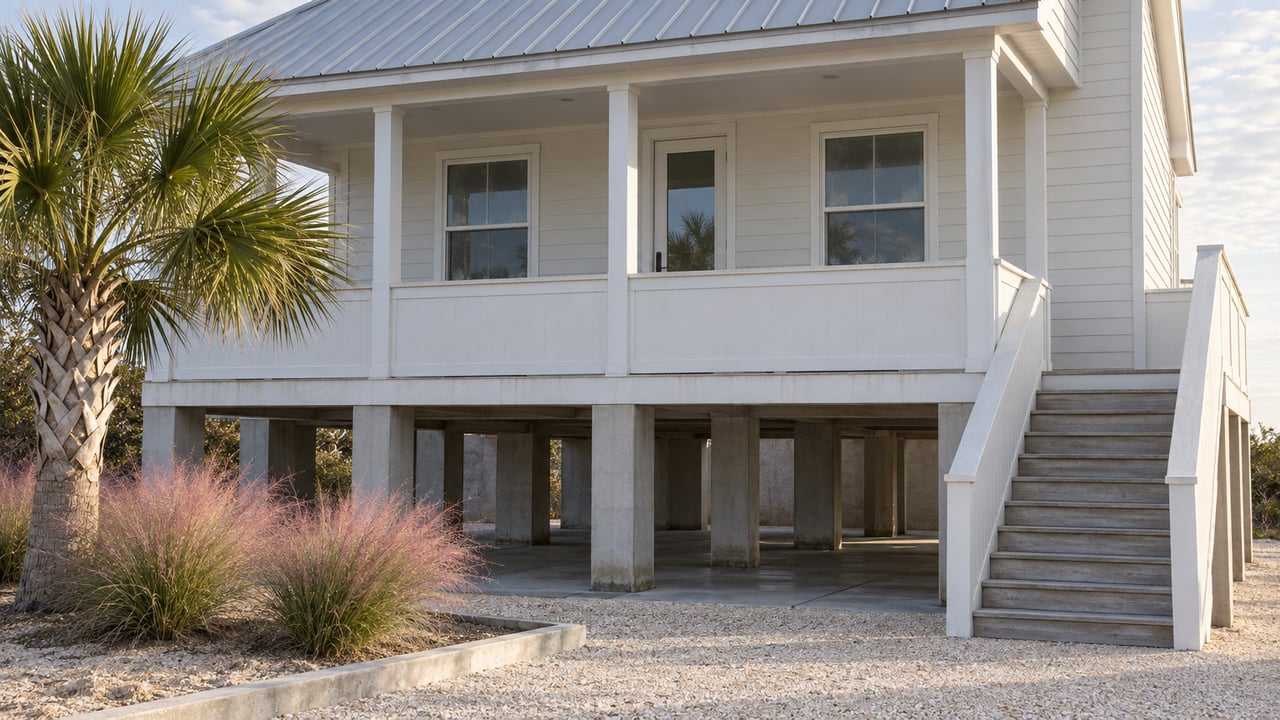
- Coastal condominiums on Perdido Key and Pensacola Beach. These typically have condo associations, shared amenities, and master insurance policies.
- Newer subdivisions and golf communities. Amenities can include pools, gates, sidewalks, and pocket parks.
- Townhome and mixed-use communities near employment centers such as Navy and Corry Station. HOAs often handle landscaping and exterior elements.
Where you often find no HOA
- East Hill and North Hill in Pensacola proper. These historic and older neighborhoods tend to rely on city codes instead of HOA rules and often include a mix of architectural styles.
- Downtown and midtown pockets with older single-family homes. Character varies by street and block.
- Rural and semi-rural parcels in Escambia County. You often have more space and more freedom, subject to county zoning and permitting.
If you plan exterior changes or additions, review city guidance with Planning Services, then verify parcel details through the Property Appraiser and your flood risk via the FEMA maps.
Cost comparison: a simple example
Here is a quick way to compare monthly costs across options. Plug in your own numbers.
Example A: Non-HOA single-family home
- Mortgage and taxes: 2,100 dollars
- Insurance and flood: 350 dollars
- HOA dues: 0 dollars
- Estimated total: 2,450 dollars per month
Example B: Single-family home in an HOA
- Mortgage and taxes: 2,050 dollars
- Insurance and flood: 330 dollars
- HOA dues: 75 dollars
- Estimated total: 2,455 dollars per month
Example C: Condo in a coastal association
- Mortgage and taxes: 1,900 dollars
- HO-6 policy: 60 dollars
- HOA or condo dues: 550 dollars
- Estimated total: 2,510 dollars per month
The lesson: compare the full monthly picture. A lower purchase price can be offset by higher dues, while higher dues may cover services you would otherwise pay for separately.
Timing, financing, and negotiation tips
- Build in time for document review. Estoppel certificates and condo packages can take days or weeks. Ask for a contract contingency to review association documents and financing.
- Expect lender review on condos. Association financial health, insurance, and reserves can affect approval or timing.
- Negotiate with the full cost in mind. Compare price, dues, and insurance together when evaluating offers.
- Ask for credits when inspections reveal needs. If the association plans a roof project or facade repair, request a seller credit or price adjustment.
- Set realistic review periods. If the association responds slowly, negotiate a longer document review timeline.
- Sellers in HOAs benefit from early disclosure. Sharing CC&Rs and the current budget upfront can reduce buyer concerns and speed closing.
Which option fits you best
Choose an HOA community if you want:
- Shared amenities like pools, gates, and clubhouses.
- Consistent neighborhood appearance and standards.
- Less personal responsibility for some exterior items.
Choose a non-HOA area if you want:
- More freedom for projects, parking, pets, and property use.
- Fewer recurring dues.
- A wider range of home styles and lot sizes.
Either way, focus on reserves, insurance, flood risk, and local permitting. Those are the details that protect your budget and your peace of mind in Pensacola.
Ready for neighborhood-specific guidance
You deserve a clear plan tailored to how you live, work, and invest along the Gulf Coast. Our team brings a country-to-coast view of Pensacola, Perdido Key, Gulf Breeze, and inland Escambia markets. We guide military relocations, first-time and move-up buyers, and coastal investors with fast communication and local insight.
If you are weighing HOA rules, flood zones, and insurance trade-offs, we will help you compare homes side by side and negotiate with confidence. Reach out to Jason & Charlcie Smallwood to get started.
FAQs
What is the legal difference between HOAs and condos in Florida?
- Homeowners associations follow Florida Statutes Chapter 720 and condominiums follow Chapter 718, with condos subject to additional budgeting, reserves, and disclosure rules.
How do I check flood risk for a Pensacola property?
- Use the FEMA Flood Map Service Center to look up the property’s flood zone and bring that report to your insurance and lending conversations.
What should I ask an HOA before making an offer?
- Confirm dues, what they cover, reserve balances, recent or planned special assessments, insurance status, rental restrictions, and any pending litigation.
Can an association delay my closing?
- Yes. Waiting on estoppel certificates or condo documents can affect your timeline, and lender review of association financials can also add time.
Are historic Pensacola neighborhoods usually non-HOA?
- Many older areas like East Hill and North Hill do not have formal HOAs and rely on city codes, but always verify on a property-by-property basis.
Where do I look up association or property records in Escambia County?
- Use the Escambia County Property Appraiser for parcel details and the Escambia County Clerk of the Circuit Court to search for recorded liens or litigation.