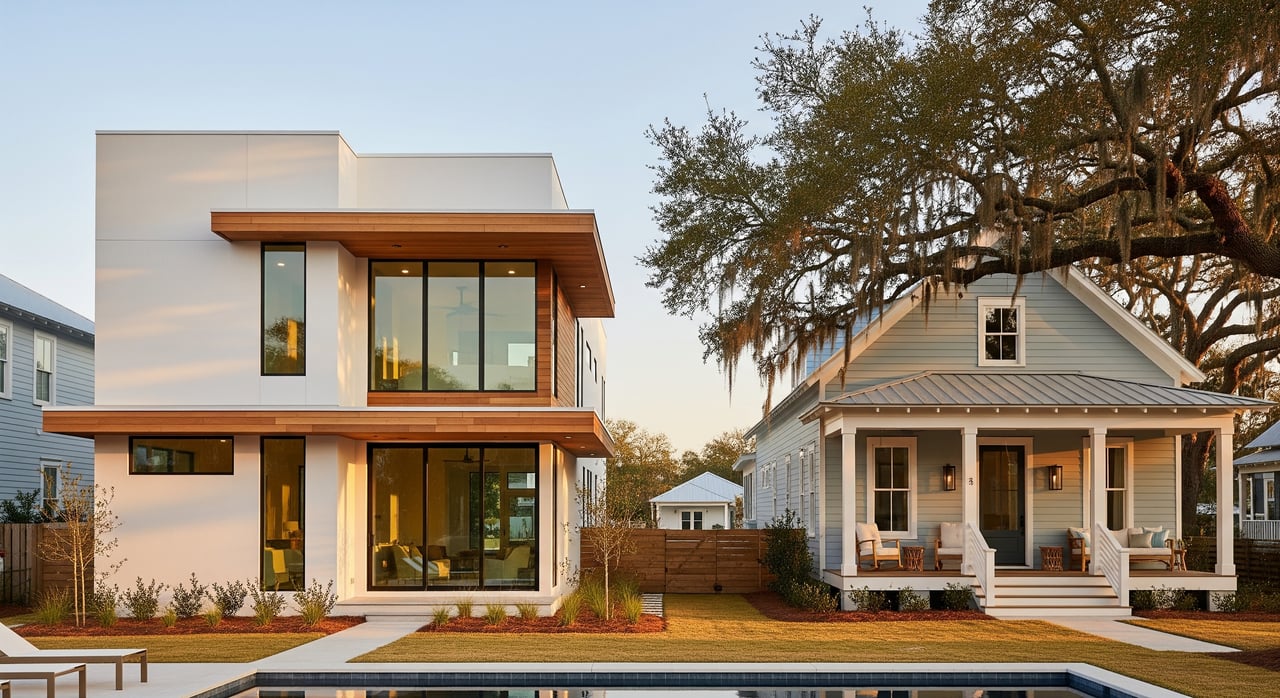
Trying to decide between a brand-new build and a solid resale in Pace? You are not alone. With steady growth across Santa Rosa County and easy access to US-90 and I-10, you have real choices. The right answer comes down to your budget, timing, lot preferences, and comfort with tradeoffs. In this guide, you will compare costs, timelines, HOAs and CDDs, inspections, financing, insurance, and a simple checklist tailored to Pace so you can move forward with confidence. Let’s dive in.
How to choose in Pace
Start with three core priorities.
- Budget: New construction often carries a price premium, while resales may offer more room to negotiate.
- Timing: Resales can close in about 30 to 60 days. New builds can take several months from permit to completion.
- Lot and neighborhood: Decide if you want a larger, established lot or a newer subdivision with amenities.
Once you rank these, it becomes easier to see which path fits your goals.
Price and market realities in Pace
New construction typically costs more due to new materials, modern floor plans, and builder profit margins. Some builders offer incentives on price, closing costs, or upgrades, which can narrow that gap. Resale homes may offer negotiation opportunities, especially if the home has been on the market longer or needs updates.
When you compare options, look beyond the sticker price. Consider monthly costs that include estimated taxes, insurance, HOA dues, and any CDD assessments. Ask for a side-by-side estimate so you can compare total costs, not just the purchase price.
For current local pricing, inventory, and days on market, review recent statistics from the local MLS or statewide reports. Pay attention to whether you are comparing price per square foot, total price, or monthly carrying cost.
Lot sizes and neighborhood feel
In established Pace neighborhoods, resale homes often sit on larger lots with mature landscaping and more separation between homes. Rural parcels near Pace can be substantially larger, which can appeal if you value space, storage, or privacy. Newer subdivisions vary. Many production communities place homes on smaller lots, while some master-planned areas offer mixed lot sizes and shared amenities.
Confirm the specifics for any property you are considering. Review lot dimensions in square feet or acres, check setbacks on the plat, and ask about any buffer or tree preservation requirements. It also helps to look at nearby future development plans so you know what could change around you.
Amenities, HOAs, and CDDs
New communities often feature pools, trails, playgrounds, dog parks, and clubhouse spaces. These are attractive, but they come with ongoing costs through HOA dues and sometimes CDD assessments used to finance infrastructure and amenities in Florida. Older neighborhoods may not have shared facilities, but they offer an established feel, mature trees, and convenient access to longtime local services.
What to do next:
- Request HOA documents for any property with an association. Review CC&Rs, budgets, reserve studies, and meeting minutes.
- Confirm CDDs if applicable. Ask for the assessment schedule and what is covered.
- Review enforcement practices and special assessments through seller disclosures for resales or developer disclosures for new builds.
Timelines and construction reality
If you need to move quickly, resale offers the most predictable timeline. Most buyers close in about 30 to 60 days, depending on loan type and the seller’s situation. For new construction, timing varies by builder and product:
- Production builds and spec homes: Often 3 to 6 months from permit or lot-ready status to completion, but lead times can stretch during high demand.
- Semi-custom or custom builds: Often 6 to 12 months or longer, depending on design choices and site prep.
In Florida, weather and seasonal rain can delay exterior work. Permitting, utility tie-ins, and stormwater requirements can also add time. Get a written delivery timeline and ask how the contract handles material cost increases or delays. Clarify remedies for late delivery and whether the contract includes any liquidated damages provisions.
Warranties, inspections, and condition
New homes usually come with builder warranties. Terms vary, but you often see a limited workmanship warranty for the first year, coverage for certain systems or components for a few years, and structural coverage for a longer period. Always get the exact warranty language in writing.
Even with new construction, plan for independent inspections if allowed. A pre-drywall inspection and a final inspection help catch issues before closing. For resale, schedule a full home inspection and consider specialized checks like termite and wind mitigation. Older homes may need roof, HVAC, or appliance replacement sooner than new builds.
Financing and insurance in Pace
Most resale purchases use conventional, FHA, VA, or USDA loans, depending on eligibility and property location. For new construction, you may see several paths: construction-to-permanent loans, builder financing programs, or standard mortgages for completed spec homes. Builder-preferred lenders sometimes offer incentives, but compare true costs and loan terms before you decide.
Insurance is another key difference. New homes built to current Florida codes and wind standards may qualify for lower windstorm premiums or credits for features like reinforced roof ties and impact-rated openings. Flood insurance depends on location. In Santa Rosa County, flood risk varies by neighborhood and even by lot. Check FEMA flood maps for the specific property, and consider getting an elevation certificate or site survey early. Utility type also matters to your budget and maintenance plan. Some new subdivisions offer public water and sewer, while some resales in rural pockets may rely on a well and septic system.
Practical buyer checklist for Pace
Use this quick list to compare options side by side.
Budget and financing
- Compare total monthly cost: principal and interest, taxes, HOA/CDD dues, insurance, and estimated maintenance.
- For new builds, request written estimates for closing costs, upgrade pricing, and any lender fees.
Timing and move plan
- Decide whether you can wait for a build or need an immediate move-in.
- Ask for current builder lead times and confirm contract protections for delays.
Lot and neighborhood due diligence
- Verify lot size, setbacks, and future nearby development on plats.
- Check FEMA flood zone status and ask about drainage or elevation details.
- Confirm utility type: public water/sewer or well/septic.
HOAs, CDDs, and rules
- Review CC&Rs, budgets, and reserve studies.
- Confirm any CDD and its current assessment schedule.
- Look for recent or planned special assessments.
Builder reputation and warranty
- Review the builder’s licensing and complaint history and ask for recent references.
- Get all warranty terms in writing, including coverage and claims process.
Inspections and insurance
- New build: schedule pre-drywall and final inspections if permitted.
- Resale: book a comprehensive home inspection plus termite and wind mitigation.
- Gather homeowners and flood insurance quotes early.
Resale value and exit strategy
- Consider marketability: lot size, school assignment zones, amenities, and nearby comparables.
Negotiation levers
- Resale: price, credits, and inspection-driven repairs.
- New construction: upgrade packages, closing cost help, and rate incentives with preferred lenders.
Resale value and exit strategy in Pace
Think about how future buyers will view the property. Larger lots, practical floor plans, and convenient access to major corridors often help with resale. In HOA or CDD communities, healthy budgets and maintained amenities can support values. For rural properties, verify well and septic records and consider how those systems affect future buyers. Whichever path you choose, weigh the neighborhood’s long-term appeal and recent comparable sales.
Which option fits you?
- You need to move soon: Resale is usually best due to predictable closing timelines.
- You want modern design and lower near-term maintenance: New construction may be the right fit, especially if insurance credits apply.
- You want a larger yard and mature trees: Many resale neighborhoods or rural parcels will better match your goals.
- You want amenities and a planned community feel: A newer subdivision with an HOA and possibly a CDD may be ideal.
- You are budget sensitive and flexible on finishes: A resale with cosmetic updates can stretch your dollars further.
Your next steps in Pace
Choosing between new construction and resale is easier when you have local guidance and clear numbers. Our team helps you compare total monthly costs, verify flood and utility details, review HOA and CDD documents, and understand builder timelines and warranties. When you are ready to tour Pace neighborhoods and weigh your options, connect with Jason & Charlcie Smallwood for neighborhood-first, responsive support.
FAQs
What costs differ most between new construction and resale in Pace?
- New builds may come with HOA dues and sometimes CDD assessments, while resales can have lower entry costs but higher immediate maintenance. Always compare total monthly costs, not just price.
How long does new construction usually take in Santa Rosa County?
- Many production builds run about 3 to 6 months from permit or lot-ready status, while semi-custom or custom can take 6 to 12 months or more. Weather, permitting, and utilities can add time.
What should I review about HOAs and CDDs in newer Pace communities?
- Request CC&Rs, budgets, reserve studies, and meeting minutes, and confirm any CDD and its assessment schedule. Look for special assessments and enforcement practices.
How do I check flood risk for a specific Pace property?
- Verify the FEMA flood zone for the exact address and consider an elevation certificate or site survey for accurate insurance quotes and lender requirements.
Do new Florida homes usually have lower insurance costs?
- New homes built to current Florida building and wind codes may qualify for wind mitigation credits and lower premiums. Quotes vary by location and features.
Can I use VA, FHA, or USDA loans for both new and resale homes in Pace?
- Yes, loan options often apply to both, subject to eligibility and property requirements. Builders may offer preferred-lender incentives, so compare true rates and fees.