Ever wonder what it actually feels like to wake up to emerald water, sugar-white sand, and sea breezes all year? If you’re weighing a move to Pensacola Beach, you probably love the coast but want the real story on daily routines, costs, storms, and crowds. You’ll find that here. This guide shares the honest pros and tradeoffs of island life, with practical tips to help you decide if living on Santa Rosa Island full time fits your goals. Let’s dive in.
Pensacola Beach at a glance
Pensacola Beach sits on Santa Rosa Island in Escambia County. It’s an unincorporated community with many island services coordinated by the Santa Rosa Island Authority, which oversees beach access, visitor planning, and infrastructure unique to barrier-island living. You’ll notice the difference in how the island is maintained and managed.
Tourism shapes the rhythm of the year. Researchers estimated about 965,400 unique visitors who spent at least 150 minutes on the beach in 2024, and the visitor economy supports thousands of jobs and major regional output. That visitor volume influences traffic, parking, pricing, and seasonal hours for many businesses, which is part of the island’s character and calendar. You can review the local tourism snapshot in the University of West Florida’s report on the Santa Rosa Island Authority for context on crowding, parking, and economic impact in their 2024 analysis.
Housing: types, costs, and market rhythm
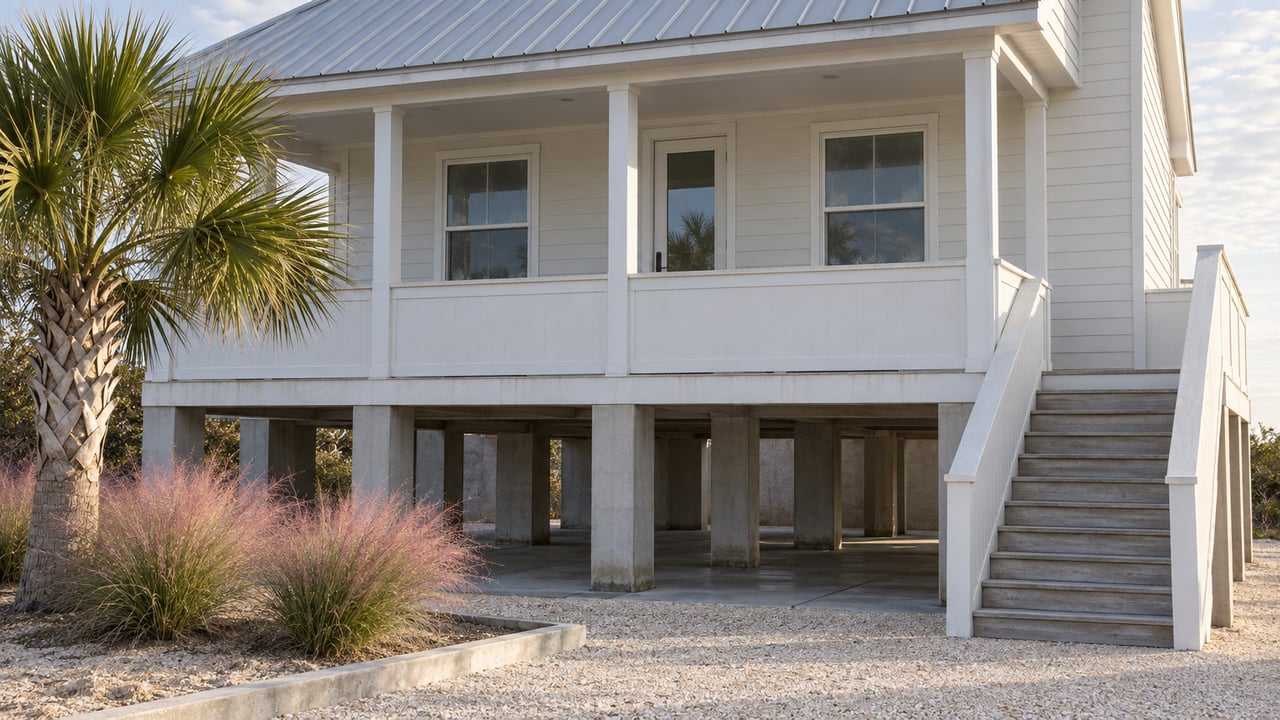
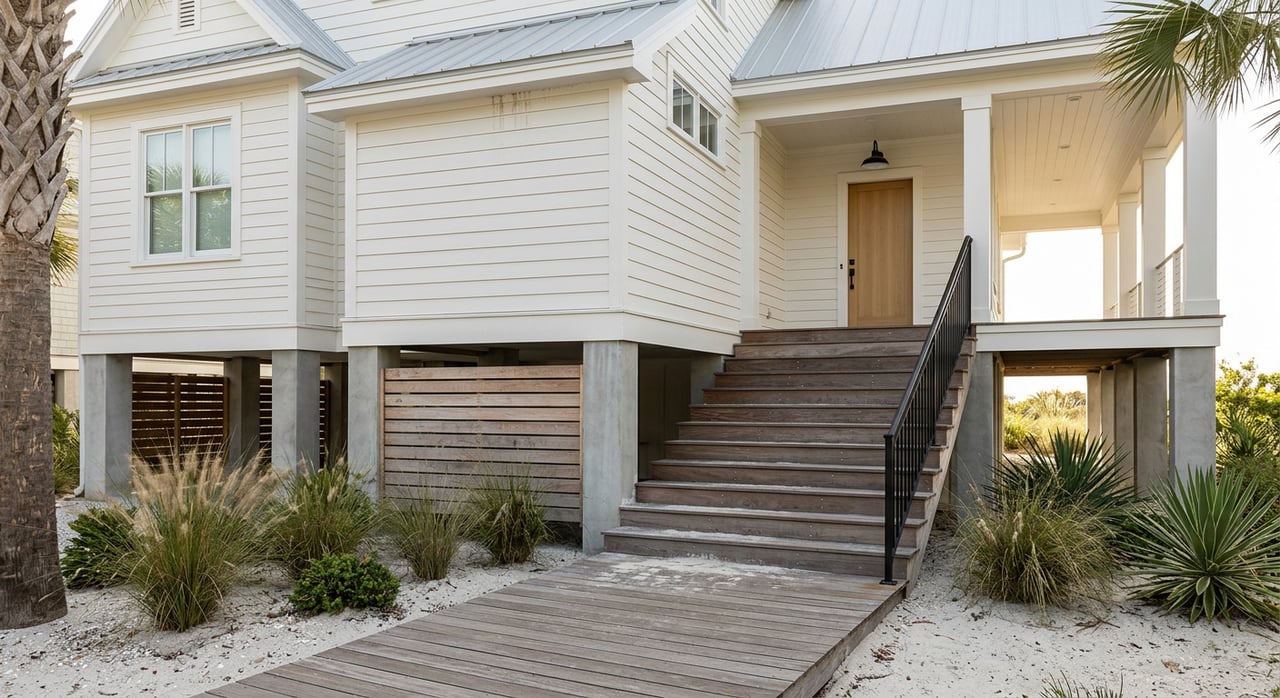
You’ll find a mix of raised single-family beach houses on pilings, mid-rise condo buildings, and a handful of older cottages. Gulf-front and waterfront properties command the highest prices per square foot. Homes set a bit back from the Gulf, or on the sound side, can be more cost-conscious while still offering beach access.
Pricing reflects the lifestyle premium. As of December 2025, neighborhood data showed a median listing price around $829,900 and a median monthly rent near $3,254. Values move with property type, view, and building condition, and inventory can shift with the seasons. If you’re exploring purchases or leases, it helps to compare several recent sales or listings across the island to understand the spread by location and amenities.
Short-term rentals are part of the market story. Demand typically surges in spring and summer, on holiday weekends, and during special events. If you plan to rent your property, state and county licensing, taxes, and safety rules apply. Before you count on rental income, confirm current Florida DBPR and Escambia County requirements. You can read a general overview of short-term rental rules and considerations in this summary of Florida markets, then verify details with the county and a tax professional here.
Insurance and construction realities
Much of the island lies in coastal flood and high-wind exposure zones. That shapes how homes are built and insured. Elevated foundations, pile systems, flood vents, and impact-rated openings are common features, and they matter for both safety and premiums. FEMA and local partners highlight elevation and other mitigation steps for flood-prone homes, which can reduce risk but add cost. See the case study on elevating homes on Santa Rosa Island for a clear picture of what mitigation looks like in practice from FEMA.
When you compare homes, ask for elevation certificates if available, review current wind and flood insurance quotes, and check whether major components like windows, roofs, and mechanicals meet current code. These details can materially change your monthly carrying costs.
Weather and resilience
Pensacola’s coastal climate is humid subtropical with hot, humid summers and mild winters. Living on the island gives you a long outdoor season and slightly moderated temperatures due to Gulf breezes. Hurricane season runs June 1 through November 30, so most residents track the tropics and keep a simple storm plan. You can view seasonal climate summaries and timing on the National Weather Service site for the Pensacola region here.
Hurricane Sally in 2020 is a recent reminder of storm impacts. Surge and rainfall caused significant regional damage, including disruptions to the Pensacola Bay Bridge during recovery. If you’re buying on the island, it’s smart to review a home’s elevation and flood history and to keep emergency supplies and a re-entry plan. You can read the National Hurricane Center’s report on Sally for a factual account of local impacts in this document.
Long term, coastal studies project continued exposure to storm surge and evolving flood maps. That can affect future code requirements and insurance availability or cost, which should be part of your long-range planning. Florida’s coastal vulnerability assessment offers useful context for Escambia County shorelines in this report.
Daily life: groceries, healthcare, and schools
Daily errands on the island feel simple but require planning. There are convenience markets and small shops close by, but many residents go to Gulf Breeze or into Pensacola for full grocery runs, larger retailers, and specialty services. Most people time errands to avoid peak bridge traffic on busy weekends or big event days.
Healthcare is accessible but primarily on the mainland. Ascension Sacred Heart in Pensacola is a primary regional hospital with specialty services, and Gulf Breeze has closer ER and urgent care options. If you have ongoing healthcare needs, it helps to confirm drive times and appointment access from your preferred neighborhood. You can review local healthcare services in the Ascension community health report here.
For schools, the island offers an elementary option often referred to as the Beach School. Many middle and high school students attend public schools in Gulf Breeze or Pensacola. Enrollment boundaries and transportation routes can change, so it’s best to confirm current assignments with the district and to test your commute during typical school hours.
Getting around: bridges, tolls, and timing
Pensacola Beach connects to the mainland via the Pensacola Bay Bridge to downtown Pensacola and the Bob Sikes Bridge to Gulf Breeze, which uses electronic toll collection. Seasonal ferry options operate to ease traffic in peak months. Travel time can vary widely on holiday weekends, during Blue Angels events, or during storm preparations, so locals plan around those windows. You can learn about the main bridge connection and history in this quick overview of the Pensacola Bay Bridge.
Recreation, culture, and events
You’ll never run out of ways to be outside. White-sand beaches make daily walks a habit, and Gulf Islands National Seashore offers protected shoreline, trails, birding, and access to historic sites like Fort Pickens. It’s a huge lifestyle benefit to have a national seashore in your backyard. Explore highlights and hidden-gem areas of the seashore in this National Park Service feature.
Events are part of the island’s heartbeat. The Blue Angels practices and air shows draw big crowds and are a source of local pride. They are also busy days for roads and restaurants. If you like energy and spectacle, you’ll love them. If you prefer quiet, you’ll plan errands around them. See a sample date reference for the team’s show schedule in this news update, then check the official calendar each season.
The upsides and tradeoffs
Upsides
- Everyday access to beaches, sunsets, and water sports creates a high quality of life for outdoor-minded residents. National Seashore access adds protected recreation and education opportunities. Review the local seashore highlights here.
- A lively dining and entertainment scene that ramps up in season and stays community-focused in shoulder months, with strong visitor-driven support for local businesses. The SRIA visitor report outlines the economic role of tourism in detail.
- Potential for short-season rental income if permitted and well-managed, plus a friendly off-peak resident rhythm when the island quiets down.
Tradeoffs
- Storm and flood risk require planning, mitigation, and resilient construction. Elevation, impact openings, and insurance are part of the equation. See FEMA’s case study for examples of mitigation on Santa Rosa Island.
- Seasonal crowding, parking pressure, and traffic on peak weekends and event days. The SRIA report notes parking and crowd size as recurring friction points in its findings.
- Higher carrying costs for many beachfront and view properties, including insurance, maintenance, and sometimes HOA fees. Prices reflect the premium that comes with water proximity.
Buyer checklist for year-round living
Use this shortlist as you compare homes and weigh the move:
Flood zone and elevation
- Confirm FEMA flood zone, request an elevation certificate if available, and get NFIP and private flood quotes early. Review FEMA guidance on mitigation that can affect premiums in this case study.
Construction and code
- Ask whether the structure has been elevated or retrofitted to current Florida Building Code standards for coastal zones, including impact-rated windows and elevated utilities.
Insurance and total cost
- Obtain wind, flood, and homeowners quotes before you finalize your budget. Factor in deductibles and any required upgrades.
Short-term rental rules
- If renting is part of your plan, confirm licensing, occupancy, safety, and tax requirements with the State of Florida and Escambia County. Start with a high-level overview here and then verify with the county clerk or DBPR.
Commute, errands, and healthcare
- Time grocery runs and medical appointments during different parts of the day, and confirm your access to providers like Ascension Sacred Heart in Pensacola in this community profile.
Events, noise, and parking
- Check Blue Angels practice and show dates and holiday weekends to see how traffic and activity affect your specific street. A quiet off-season block can be lively in July. Start with this example date reference here and confirm the current season’s schedule.
Is year-round island life right for you?
If easy beach access, an outdoors-first routine, and a tight-knit off-season community are high on your list, Pensacola Beach can be a great fit. If you prefer quieter roads in summer and do not want to budget for coastal insurance and maintenance, a nearby mainland neighborhood might suit you better while keeping the beach minutes away. The key is matching your daily rhythm and budget with the island’s seasons.
When you’re ready to compare neighborhoods, condo buildings, or single-family beach homes, connect with local pros who know the difference between a great view and a great buy. For on-the-ground guidance, thoughtful price comparisons, and help navigating insurance and rental questions, reach out to Jason & Charlcie Smallwood.
FAQs
Is Pensacola Beach quiet in winter for full-time residents?
- Yes. Late fall through early spring is typically much quieter, with fewer visitors, easier parking, and more predictable dining availability. Some businesses reduce hours in the low season, as noted in local visitor surveys.
How risky are storms if I live on the island year-round?
- Storm and flood risk are real planning factors. Review elevation, flood zone, and insurance early. FEMA highlights elevation and mitigation steps for island homes to reduce risk and inform premiums.
Can I operate a short-term rental on Pensacola Beach?
- Many properties do, but rules vary and change. Confirm Florida DBPR licensing, Escambia County registration, safety standards, and taxes before assuming income potential.
Is it expensive to live on Pensacola Beach full time?
- Expect a premium for beachfront or waterview locations and higher maintenance and insurance costs. As of December 2025, the neighborhood’s median listing price was about $829,900, with wide variation by property type and view.